Manual lymphatic drainage: what it is and what it is not
It is gentle, it is specific, and it is nothing like the deep tissue massage people picture. What MLD does for lipedema, and how to do a little of it safely at home.
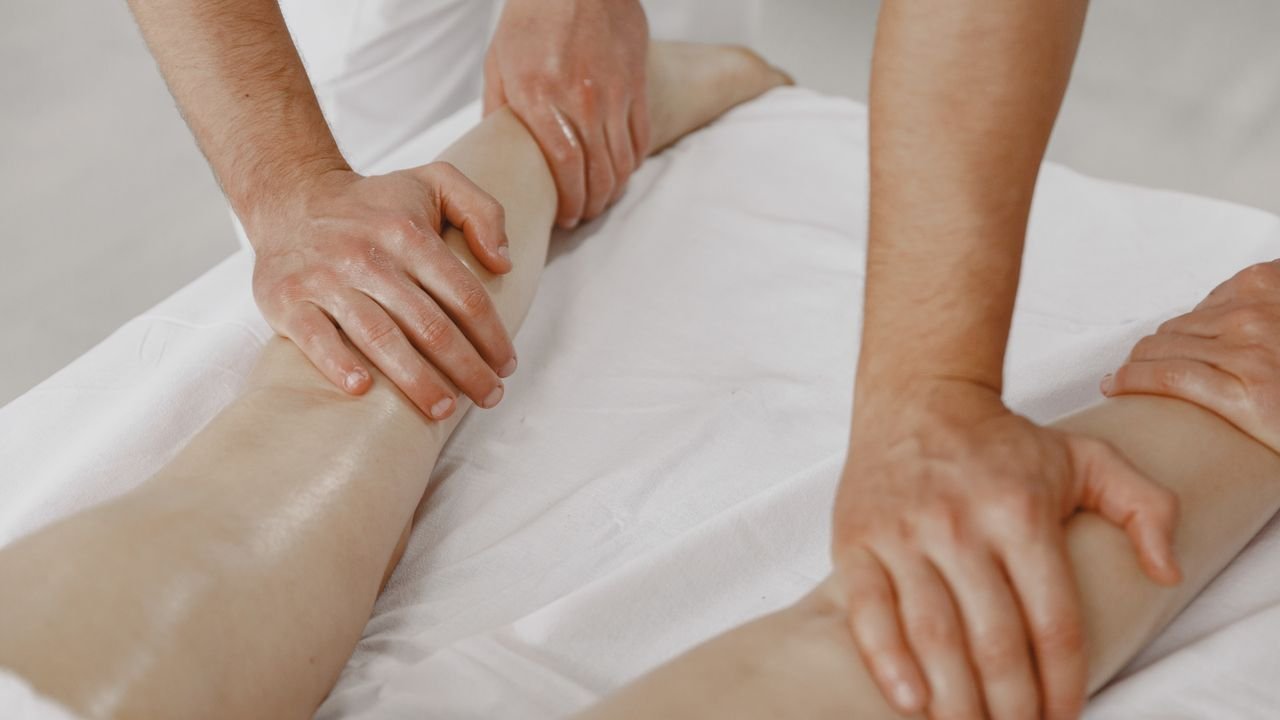
Photo: Gustavo Fring / Pexels
The name puts people off, and the technique surprises them. Manual lymphatic drainage — MLD — is not a vigorous massage. It is the opposite: a very light, slow, rhythmic skin stretch, barely more pressure than the weight of a hand. If a "lymphatic massage" leaves you sore, it was not lymphatic drainage.
Why so gentle
The lymphatic vessels that MLD is trying to influence sit just under the skin — most of the lymph system's traffic runs in that shallow layer, not deep in the muscle. Press hard and you flatten those vessels and drive blood flow instead, which is not the point. The light stretch-and-release opens the tiny lymphatic capillaries and nudges fluid along its natural drainage routes toward working lymph nodes.
For lipedema, the realistic benefit is symptomatic: less heaviness, less tension, a temporary reduction in swelling, and for many women genuine pain relief and relaxation. It does not remove lipedema fat, and it should not be sold as though it does. Its bigger role is inside complete decongestive therapy, the combined programme — drainage, then compression, then exercise, then skin care — used when swelling is more established.
What a session is like
A trained MLD therapist will usually start away from the swollen area, not on it — clearing the pathways and lymph nodes the fluid needs to drain into before moving fluid toward them. The strokes are slow and repetitive. Many people find it almost meditative and some fall asleep. You should never leave a session bruised or aching; if you do, the pressure was wrong for this technique.
The effect of a single session is real but temporary. This is why compression matters so much: drainage moves the fluid, and compression is what stops it flowing straight back. MLD without compression afterward is a bucket emptied and left under a running tap.
Do not start lymphatic drainage without checking first if you have a current infection or cellulitis in the limb, an untreated deep-vein thrombosis, uncontrolled heart failure, or an active cancer that has not been discussed with your oncologist. Moving fluid around the body is not neutral in those situations. When in doubt, ask a clinician before the first session, not after.
Self-massage: a little, done safely
You cannot deliver full professional MLD to yourself, but a simplified self-drainage can be taught by a therapist and done daily at home, and for many women it takes the edge off. The principles matter more than any particular sequence:
- Feather-light. Stretch the skin, do not rub or knead. If the skin goes red, you are pressing far too hard.
- Clear the exits first. Work the neck and the area above the collarbone, then the abdomen, before the legs — you are opening the drains before you push water toward them.
- Work upward, toward the heart, in slow half-circles.
- Slow. The lymphatic system moves at its own unhurried pace; speed does nothing.
- Then put the compression on. Self-massage and then a compression garment is a sensible morning routine; self-massage alone undoes itself within the hour.
The single best way to learn this is one session with a qualified lymphoedema therapist who shows you the sequence on your own body. A few minutes of correct technique daily is worth more than an hour of guesswork copied from a video.
What moves lymph even without hands
Two things do a version of this job continuously and cost nothing:
- Movement, especially walking and moving in water. The lymphatic system has no pump of its own — it relies on muscles contracting around it. Every step is a squeeze. This is why an inactive day feels heavier by evening.
- Deep breathing. The main lymphatic duct empties into the veins in the chest, and the pressure changes from slow, deep breaths act as a gentle pump on the whole system. A few minutes of slow breathing genuinely assists drainage.
What to take away
- MLD is a very light skin stretch, not a deep massage. Soreness means it was done wrong.
- It relieves symptoms and swelling; it does not remove lipedema tissue.
- Its effect is temporary unless compression follows to hold the result.
- Some conditions make drainage unsafe — check before the first session.
- Movement, water and deep breathing move lymph continuously, for free.
Start where you are
You do not need a diagnosis, a plan, or a good week. You need somewhere to put the information so that in three months you can see what actually changed.
Create a free account