One leg bigger than the other: what that usually means
Lipedema is symmetrical, essentially always. So if one leg is bigger than the other, the first job is not to explain it as lipedema — it is to rule out the things that will not wait.

The signs, one at a time — bruising, the ankle cuff, pain, the arms, the belly — and what each of them does and does not mean.
Lipedema is symmetrical, essentially always. So if one leg is bigger than the other, the first job is not to explain it as lipedema — it is to rule out the things that will not wait.

No, and understanding why is genuinely useful — it explains why diagnosis takes so long, and it tells you exactly what a clinic offering one is selling.
One of the most-asked and least-answered questions in lipedema groups, because the honest answer is "partly, and the distinction matters more than you would think".
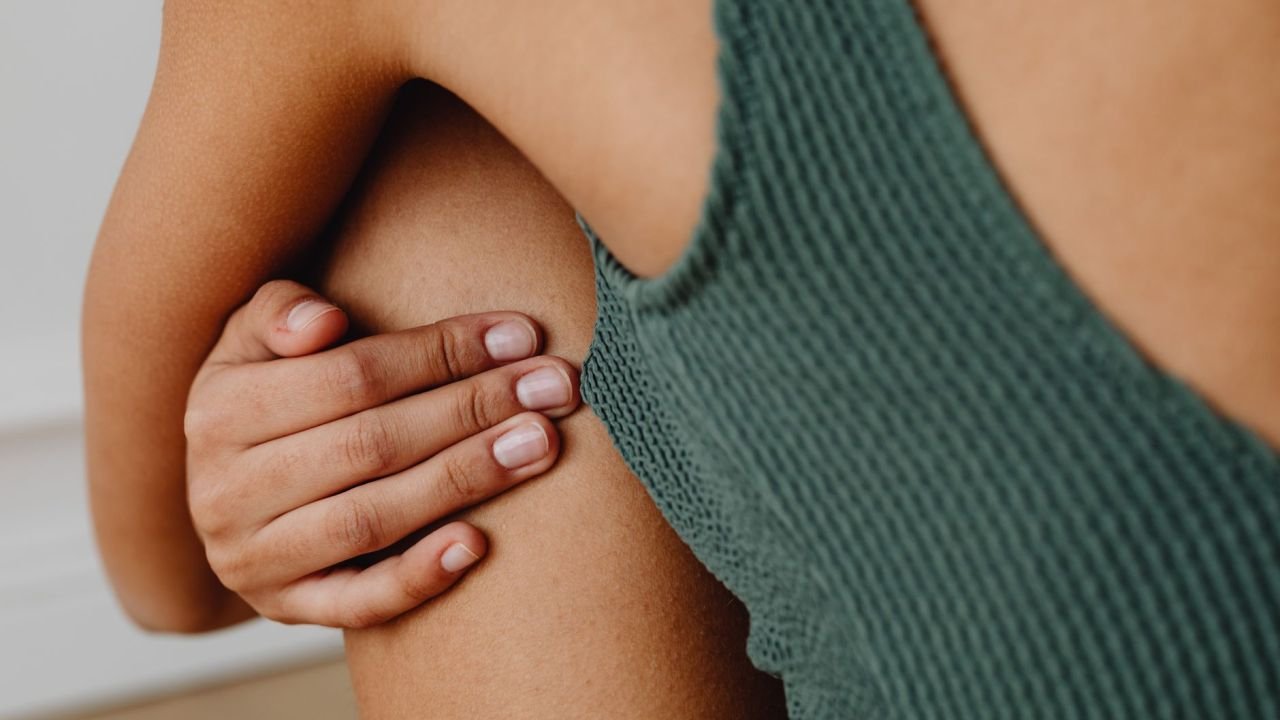
It gets one line in most articles and it is the reason a lot of women stop wearing short sleeves. Here is what arm lipedema looks like, and what actually helps it.
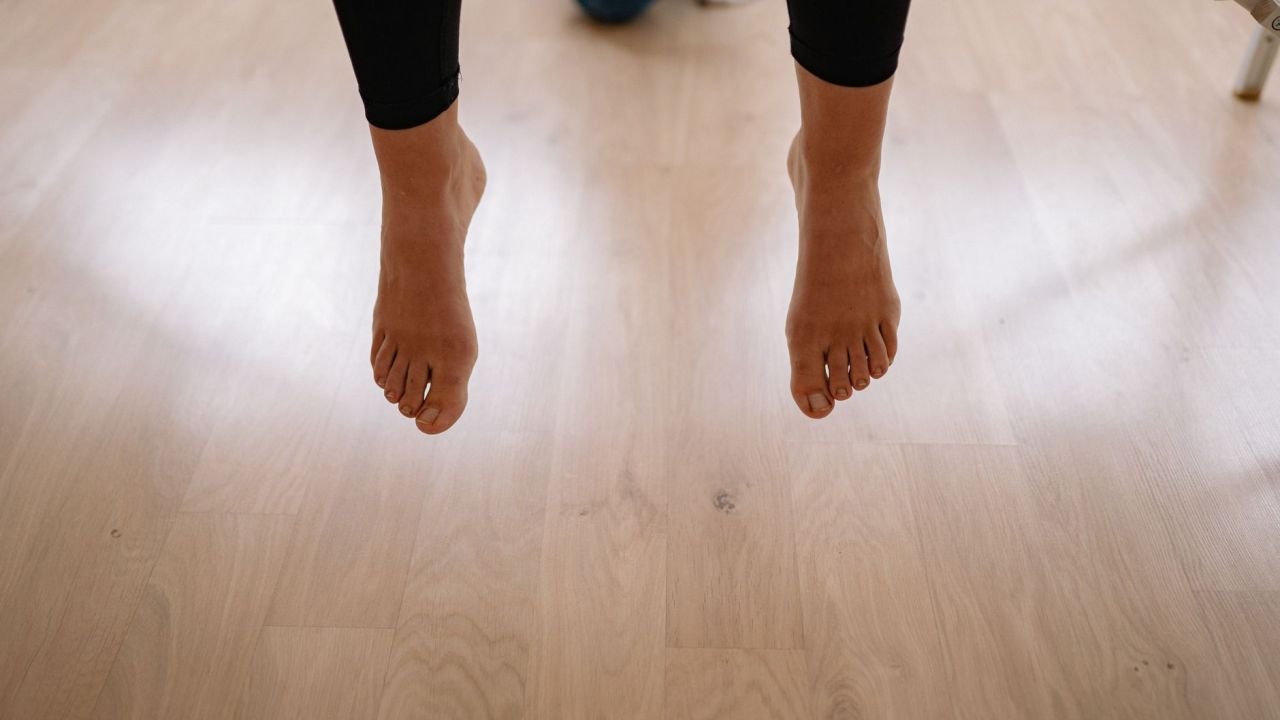
Tissue that stops dead above the ankle, with a normal foot underneath. It is the sign clinicians reach for first, and it is the easiest one to photograph.
You look down and there is a bruise the size of a plum on your thigh and no memory of how it got there. It is one of the most characteristic signs of the condition, and there is a mechanical reason for it.
Dimpled skin on the thighs is not a diagnosis. It is present in most adult women, including thin ones. Lipedema is something else entirely, and mistaking one for the other sends women to the wrong aisle for years.
You cannot diagnose yourself from a website — but you can find out whether what you are seeing is the pattern a doctor would recognise, and that is what turns "I feel enormous" into a sentence a clinician can act on.