Keto and inflammation in lipedema: what the evidence actually says
The most-recommended diet in the lipedema world rests on a small evidence base and a plausible mechanism. Both of those are worth understanding before you commit a year to it.
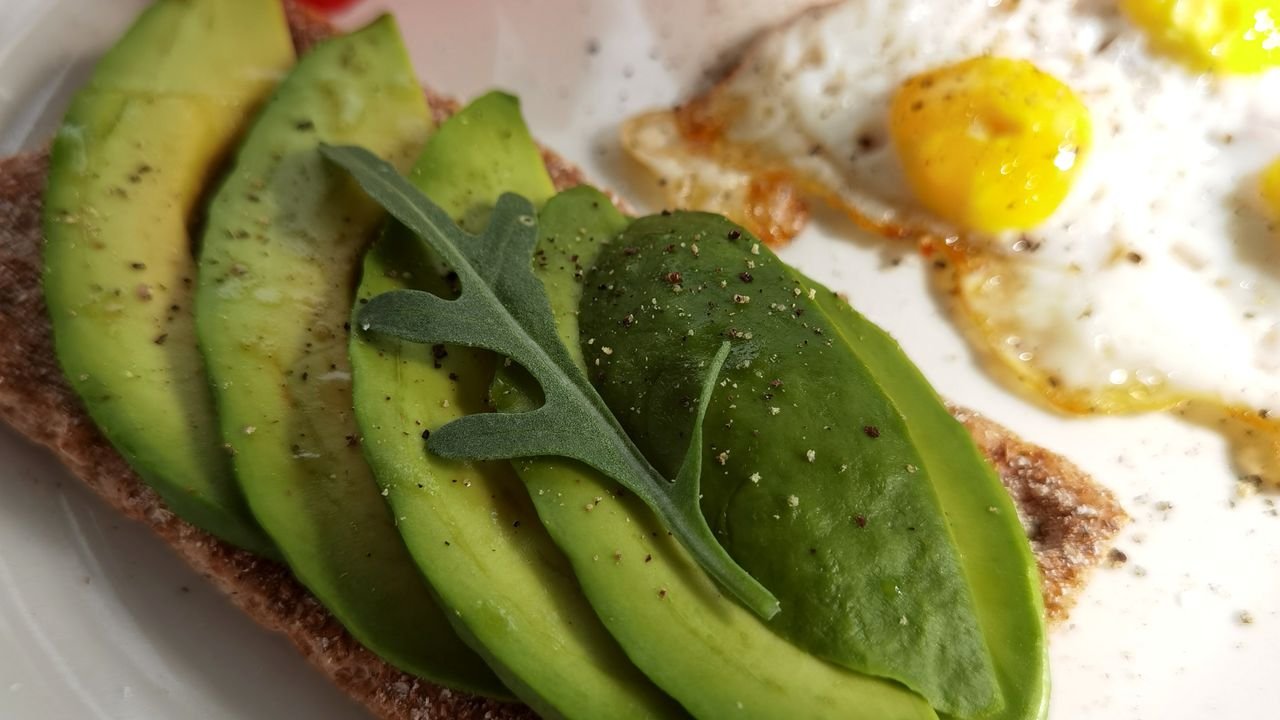
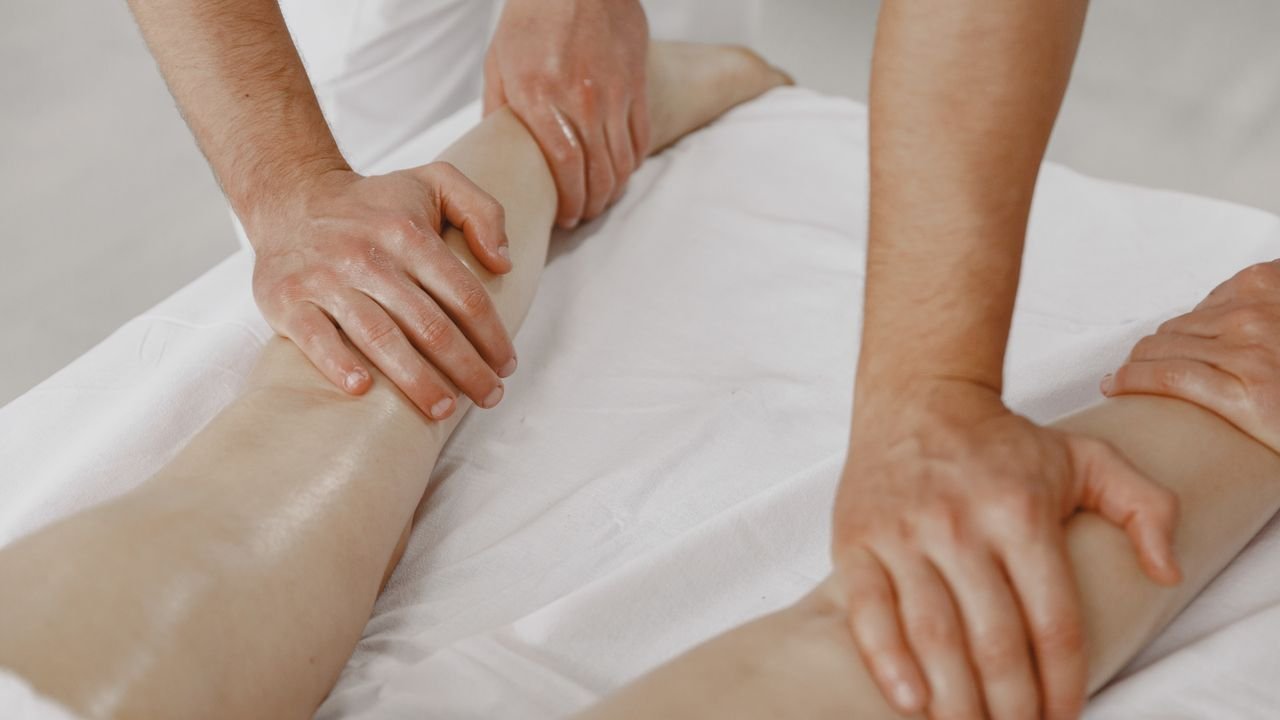
Photo: Verolova / Pexels
Spend an hour in any lipedema community and someone will tell you to go keto. Sometimes they will tell you it cured them. It is worth separating three different things that get bundled together in that advice: the proposed mechanism, the actual evidence, and what it is reasonable for you to expect.
The proposed mechanism
Lipedema tissue shows features of chronic low-grade inflammation: fluid accumulation in the tissue, enlarged fat cells, immune cells present in the tissue, and pain. The reasoning behind a ketogenic approach is that it may act on several of those at once:
- It reduces tissue water. Glycogen binds water. Lowering carbohydrate intake drops glycogen and the water it holds, which for a body already struggling to clear fluid can be noticeable within a fortnight — often felt as legs that are less tight rather than legs that are smaller.
- Ketone bodies appear to have anti-inflammatory effects in laboratory and animal work, including on one of the inflammatory pathways implicated in adipose tissue.
- It lowers insulin. Insulin promotes fat storage, and there is a reasonable argument that reducing it is helpful in a fat-storage disorder.
- Appetite tends to fall, which makes any accompanying calorie reduction easier to sustain.
That is a coherent story. A coherent story is not the same thing as proof, and the honest next section is shorter than anyone would like.
What the evidence actually is
Small. There are a handful of published studies of ketogenic or very-low-carbohydrate diets in women with lipedema, mostly with a few dozen participants, mostly short, and mostly without a control group receiving an equivalent non-ketogenic diet. What they consistently report is reduced pain and improved quality of life, alongside weight loss and some reduction in limb circumference.
The pain finding is the interesting one, because it is the outcome that matters most to patients and it is not obviously explained by weight loss alone. But we do not yet have the trial that would settle whether the benefit comes from ketosis specifically, from the loss of tissue water, from the weight loss, or from the fact that anyone eating deliberately for the first time in years also sleeps better and moves more.
What no study shows: that keto removes lipedema tissue, reverses the condition, or prevents progression. Any clinic or account telling you it cures lipedema is going beyond what is known, and you should treat everything else they tell you with the same caution.
Who should not try this without medical supervision
This matters more than the mechanism. Do not start a ketogenic diet on your own if you:
- Take insulin or any diabetes medication — doses often need reducing immediately and getting this wrong is dangerous.
- Take medication for blood pressure, which frequently needs adjusting within days.
- Are pregnant or breastfeeding.
- Have kidney disease, liver disease, pancreatitis, or a disorder of fat metabolism.
- Have a history of an eating disorder. A highly restrictive diet in someone with that history carries real risk, and it is not worth trading one condition for another.
In all of those cases the answer is not "never" — it is "not without a doctor who knows your history".
The Egyptian and Gulf kitchen problem
Most keto material assumes a Western plate, and then everyone concludes the diet is impossible here. It is not impossible; it just needs translating.
What genuinely does not fit: bread with every meal, koshari, rice as the base of lunch, mahshi in quantity, basbousa and konafa, sugared juice and fizzy drinks, and dates by the handful.
What fits perfectly well: grilled and roasted meat, chicken and fish; eggs in every form; molokhia cooked without rice beside it; cheeses — gebna beida, roumy, halloumi; olives and olive oil; tahina; full-fat labneh and yoghurt; cucumber, tomato, leafy greens, courgette, aubergine, cauliflower, green beans; salads with lemon and oil; nuts in moderation; tea and coffee without sugar.
Ful is the argument everyone has. Fava beans have real carbohydrate in them, but a modest portion with plenty of olive oil and no bread is a very different thing from a large plate with two loaves — and a version of this way of eating you can actually keep up during Ramadan and at a family lunch is worth more than a stricter one you abandon in a month.
How to judge whether it is working — for you
Give it eight to twelve weeks, then look at four things. Note that only one of them is weight:
- Average daily pain score compared with the eight weeks before you started. This is the primary outcome.
- Limb measurements at fixed landmarks, weekly, both sides.
- Heaviness and swelling scores.
- Whether you can actually live like this. A diet you sustain at 80% for two years beats one you follow perfectly for six weeks and then abandon along with everything else you were doing.
If the pain has not moved at all in three months, the honest conclusion is that this is not your lever, and there is no virtue in continuing to punish yourself with it. Compression and drainage help a large majority of women. Diet helps many, not all.
What to take away
- The mechanism is plausible and the early studies report less pain. Neither is proof.
- Nothing shows that keto removes lipedema tissue or stops progression.
- Several conditions and medications make unsupervised keto genuinely unsafe. Check first.
- Egyptian and Gulf food adapts to this more easily than the English-language material implies.
- Judge it on pain and measurements over three months, not on the scale next Tuesday.
Start where you are
You do not need a diagnosis, a plan, or a good week. You need somewhere to put the information so that in three months you can see what actually changed.
Create a free account