Complete decongestive therapy: what a course involves
The intensive programme used when there is a real fluid and lymphatic component — not routine lipedema care, and worth understanding before somebody sells you a version of it.
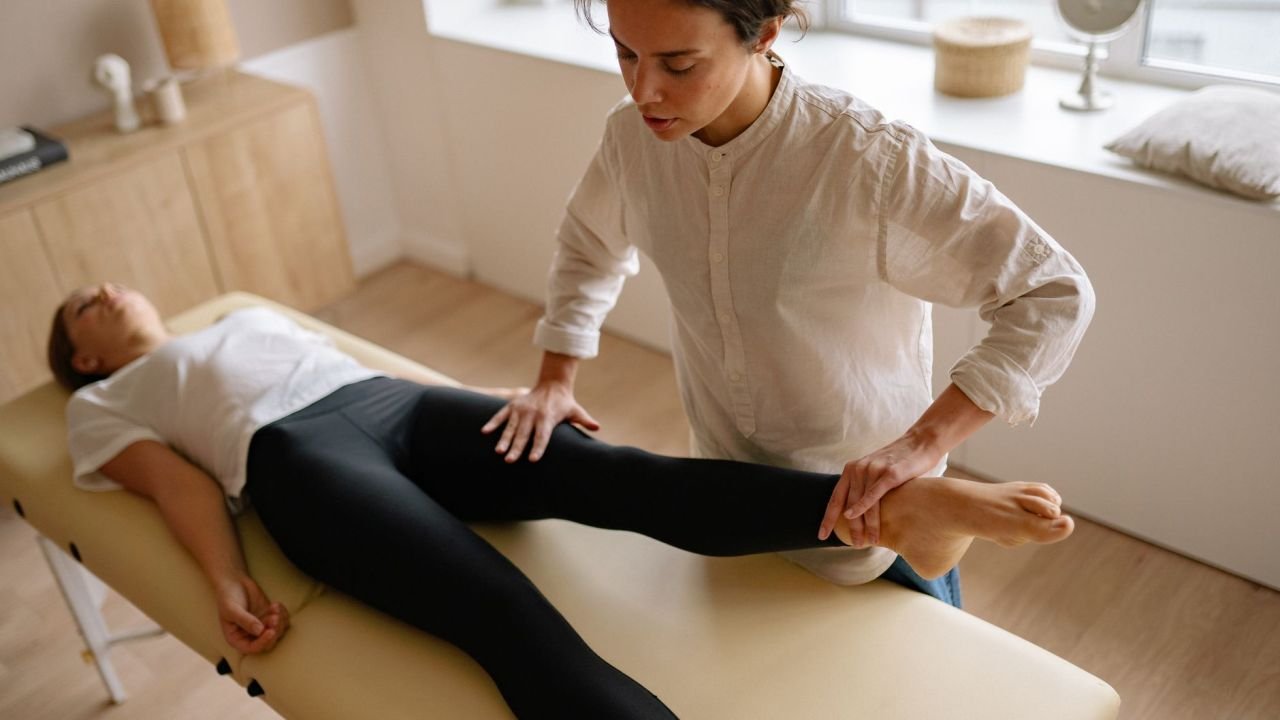
Photo: Yan Krukau / Pexels
In this article
Complete decongestive therapy — CDT, sometimes called complex decongestive physiotherapy — is the established treatment programme for lymphoedema. It matters in lipedema at the point where a lymphatic component has developed: lipo-lymphoedema, which some classifications call stage 4. How the combined picture presents.
It is not what most women with uncomplicated lipedema need, and understanding that distinction protects you from paying for an intensive programme aimed at a problem you may not have.
The four components
All four, together — that is what makes it "complete"
- 1. Manual lymphatic drainage. Light, skilled, sequenced — clearing centrally before working the limb.
- 2. Compression. Multi-layer short-stretch bandaging in the intensive phase, then fitted flat-knit garments in maintenance.
- 3. Exercise in compression. Movement while bandaged or garmented, which is what actually drives fluid proximally.
- 4. Skin care. Daily washing, drying, moisturising and inspection — because a swollen limb with broken skin is how cellulitis starts, and each episode damages lymphatics further.
The order of importance is not the order they are usually sold in. The bandaging and the exercise do most of the volume reduction; the drainage is the part clinics advertise.
The two phases
Phase 1 — intensive
Typically daily or near-daily sessions for two to four weeks. Each session: drainage, then re-bandaging in multiple layers, which stays on until the next appointment. Limb volume is measured at intervals so the reduction is documented rather than estimated.
The bandaging is the part people are unprepared for. It is bulky, it is hot — which in a Gulf summer is a genuine consideration — shoes will not fit over it, and you sleep in it. It is also the component doing most of the work.
Phase 2 — maintenance
Indefinite. Fitted flat-knit compression garments during the day, self-drainage, exercise, skin care, and periodic review. This is where the result from phase 1 is either kept or lost, and it is lost mainly through inconsistent garment use.
Who needs it
- Lipo-lymphoedema — lipedema that has developed a lymphatic component: the foot becomes involved, swelling pits under a thumb, the ankle cuff blurs.
- Advanced lipedema with a significant fluid component, where volume changes markedly through the day.
- Lymphoedema from any cause, with or without lipedema.
- Sometimes before surgery, to reduce the fluid component first.
Who does not need it: a woman with early, uncomplicated lipedema, no foot involvement and no pitting. For her, the useful programme is properly fitted garments, regular movement and self-drainage — which is most of CDT's content at a fraction of the cost. The standard programme.
CDT should not be started, or should be paused, if you have an active infection or cellulitis in the limb (that needs antibiotics first), a suspected deep vein thrombosis, decompensated heart failure — because moving a large fluid volume centrally can overload a struggling heart — or an untreated malignancy in the area. A qualified therapist will screen for these. Anyone who does not is not qualified.
Finding a qualified therapist
This is the practical difficulty in this region. CDT requires specific certification — internationally recognised training programmes exist and take several weeks — and a beauty therapist offering "lymphatic massage" is not the same thing.
Questions worth asking:
- What lymphoedema certification do you hold, and from which school?
- Do you provide multi-layer bandaging, or drainage only? Drainage without bandaging is not CDT.
- Do you measure limb volume at intervals?
- How many lipoedema and lymphoedema patients do you treat?
- Who fits the garments for the maintenance phase?
Look in physiotherapy departments of large hospitals, oncology rehabilitation services — lymphoedema after breast cancer surgery is where most regional expertise sits — and vascular or lymphology clinics. Finding specialists here.
If a full course is out of reach
Very often it is, and something is materially better than nothing. In rough order of value:
- Properly measured flat-knit compression, worn daily. The largest single effect available to you. The guide.
- Daily movement in compression. The programme.
- Self-drainage. Ideally after a few sessions with a therapist to correct your technique. The sequence.
- Rigorous skin care. Free, and it is what prevents the infections that cause the most damage.
- Elevation. Twenty minutes, twice daily.
- A pneumatic pump, if affordable, as an adjunct. The honest assessment.
That list is not a substitute for CDT where CDT is indicated, but it is a genuine programme rather than a consolation prize, and consistency with it beats an intensive course followed by nothing.
The thing to hold on to
Phase 1 gets the attention because it produces a visible change in three weeks. Phase 2 is what determines whether that change is still there in three years — and phase 2 is compression, movement and skin care, done at home, indefinitely, by you.
Which means the unglamorous part is the part that decides the outcome, and it is also the part that is within reach whether or not a certified therapist is. What influences the long-term trajectory.
Questions people ask about this
What is complete decongestive therapy?
It is the established treatment programme for lymphoedema, with four components used together: manual lymphatic drainage, multi-layer compression bandaging, exercise performed in that compression, and daily skin care. It runs in two phases — an intensive phase of near-daily sessions over two to four weeks, then indefinite maintenance with fitted flat-knit garments, self-drainage and skin care. The bandaging and exercise do most of the volume reduction, even though drainage is the part clinics advertise.
Do I need CDT if I have lipedema?
Not if your lipedema is early and uncomplicated — no foot involvement, no pitting when you press a thumb in. For that, the useful programme is properly fitted garments, regular movement and self-drainage, which is most of CDT's content at a fraction of the cost. CDT becomes relevant when a lymphatic component has developed: the foot becomes involved, swelling pits, the ankle cuff blurs. That is lipo-lymphoedema.
How do I find a qualified CDT therapist?
Ask which lymphoedema certification they hold and from which school; whether they provide multi-layer bandaging or drainage only, because drainage without bandaging is not CDT; whether they measure limb volume at intervals; and who fits the garments for the maintenance phase. Look in hospital physiotherapy departments, oncology rehabilitation services — where most regional expertise sits, because of lymphoedema after breast cancer surgery — and vascular or lymphology clinics. A beauty therapist offering "lymphatic massage" is not the same thing.
Start where you are
You do not need a diagnosis, a plan, or a good week. You need somewhere to put the information so that in three months you can see what actually changed.
Create a free account