Every lipedema treatment there is, ranked by evidence
There is no cure. There is a great deal that reduces pain, slows progression and improves how you move — and there is a lot being sold that does none of those things. This separates them.

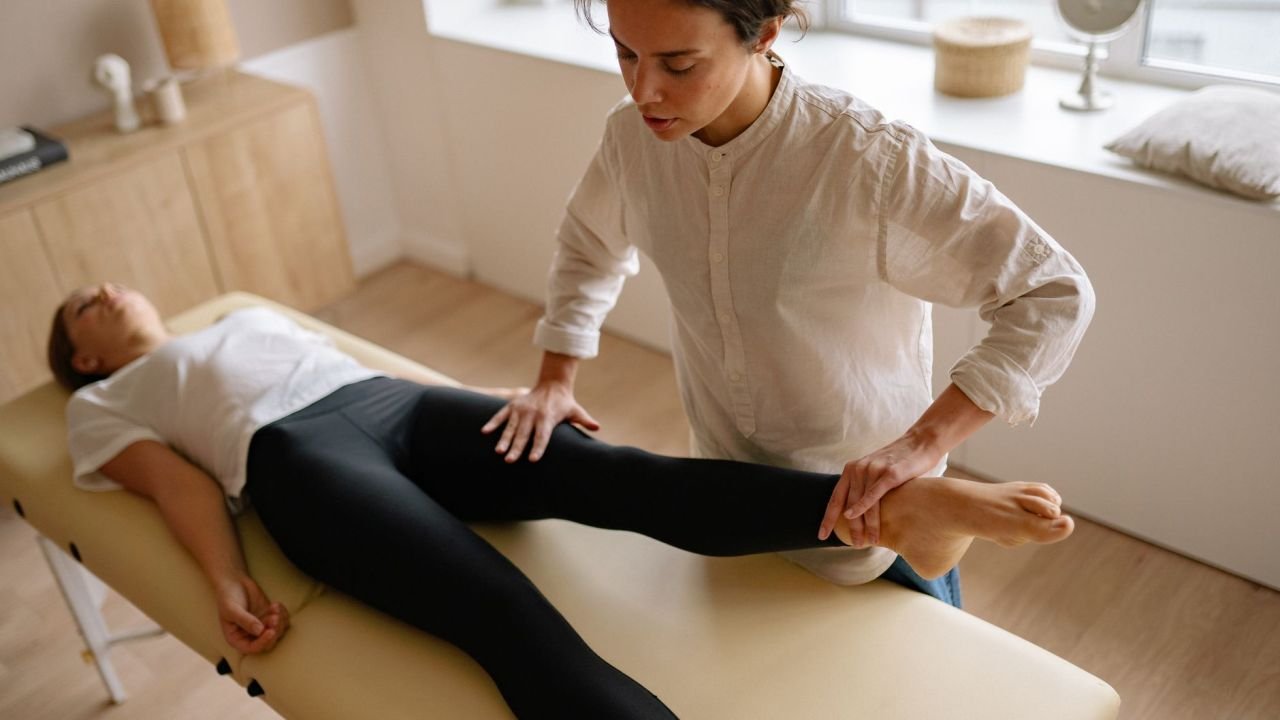
Photo: cottonbro studio / Pexels
In this article
Two sentences that have to sit next to each other, because leaving either one out produces a distorted picture.
There is no cure for lipedema. Nothing currently available makes the condition go away.
There is a great deal that helps. Pain can come down substantially, progression can be slowed, mobility can improve, and quality of life can change considerably.
What follows is everything on the menu, in descending order of how much evidence stands behind it. Where a guideline says something specific, it is quoted rather than paraphrased, because "studies show" is how a great deal of nonsense gets sold in this space.
Tier 1 — the foundation
Compression
The most consistently recommended conservative measure in every lipedema guideline. It supports the tissue, limits the fluid component, reduces the mechanical load that contributes to bruising, and — combined with movement — reduces pain.
The German S2k guideline (AWMF 037-012) gives its strongest grade (↑↑, "shall", with 100% consensus) to the statement that movement in compression is an important element in pain relief and shall be included in the overall therapeutic concept. Note that compression and movement are one recommendation, not two.
Practically: flat-knit garments, properly measured, worn most of the day, replaced every four to six months as the elastic tires. The full guide · getting them on · wearing them in our climate.
Movement, especially in water
Aquatic exercise is first-line in the exercise consensus for lipedema, because water provides hydrostatic compression and unloads painful joints simultaneously. The S2k guideline names water sports and aquacycling explicitly. The international Delphi consensus found the highest agreement for water-based activity, walking and yoga.
Dosage from the sports-medicine consensus: aerobic work at moderate intensity, resistance training with quadriceps emphasis, and deep abdominal breathing to raise lymphatic flow. The programme in detail · why water.
Tier 2 — well supported, more specific
Manual lymphatic drainage
Widely recommended, and widely misdescribed. The S2k guideline states its objective in lipedema is not volume reduction but the modulation of group C nerve fibres — that is, it is a pain treatment. Any clinic selling MLD as a way to make your legs smaller is selling something the guideline explicitly does not claim.
Technique matters: flat hands, light enough that you cannot feel muscle underneath, stretch-and-release, and it should never leave a mark. The technique · the version you can do yourself.
Complete decongestive therapy (CDT)
The intensive package — MLD plus multi-layer bandaging plus exercise plus skin care — used where there is a significant fluid or lymphatic component, i.e. lipo-lymphoedema rather than uncomplicated lipedema. What a course involves.
Dietary change
Targets pain, inflammation and the fluid component; does not target the lipedema tissue, which the international consensus describes as largely resistant to dietary intervention. Ketogenic eating may be recommended per the S2k guideline (94.7% consensus) on the basis of small studies showing reduced pain and improved quality of life. The honest version.
Psychological support
Not an afterthought. Depression and anxiety run well above population averages in this condition, and the S2k guideline recommends that self-management shall be promoted, that successes should be positively reinforced, and that confrontational behaviour shall be avoided. That is a clinical guideline telling clinicians how to speak to you. More here.
Tier 3 — a real place, for the right person
Lymph-sparing liposuction
The only intervention that removes lipedema tissue. Performed with techniques designed to spare lymphatic vessels — not standard cosmetic liposuction — usually over multiple sessions, by a surgeon who treats this condition specifically. Published series report substantial and durable reductions in pain, and reduced need for conservative therapy afterwards.
It is not a first step, it is not a cure, it does not stop the condition, and lifelong compression is generally still part of life afterwards. What it involves · whether it comes back · cost in this region.
Intermittent pneumatic compression pumps
Home devices that inflate sequentially along the limb. Reasonable adjunct for some women, particularly where there is a fluid component; not a replacement for garments, and the marketing routinely oversells them. An honest look.
Whole-body vibration
Appears in the S2k guideline as a measure that may raise the pain threshold. An adjunct.
Tier 4 — thin evidence, sold confidently
- Supplements — selenium, diosmin, butcher's broom and others appear in the literature with limited and mostly small-study support. Some are reasonable to trial; none is a foundation. What the evidence actually shows.
- Diuretics. Generally not recommended for lipedema. They do not address the tissue, they can worsen the situation by concentrating protein in the interstitium, and they carry their own risks. This is a common misprescription.
- Radiofrequency, cavitation, cryolipolysis and similar aesthetic devices. Marketed heavily in this region. No meaningful evidence base for lipedema, and some carry a real risk of harm to tissue that already bruises easily.
- Anti-cellulite creams and wraps. No. Different condition entirely.
- Aggressive deep-tissue massage. Actively harmful on painful, easily bruised tissue.
A useful test for any clinic. Ask what the treatment does for pain, and ask what it does for the condition's progression. A clinic that answers only in terms of appearance, or that promises a specific centimetre reduction, is describing a cosmetic service. That may still be something you want — but it is not lipedema treatment, and it should not be priced or consented to as though it were.
What a reasonable plan actually looks like
- A diagnosis from someone who knows the condition. Everything downstream depends on it. The appointment.
- Properly measured compression, and a plan for wearing it in the heat.
- Twenty to thirty minutes of movement most days, water-based when possible.
- An anti-inflammatory eating pattern, judged on pain and measurements rather than the scale.
- Drainage — professional where available, self-administered where it is not.
- A pain plan if pain is significant, from a doctor rather than a pharmacy counter.
- Support for the psychological side, which is part of the condition and not a separate weakness.
- Surgery considered — not first, and only with a surgeon who treats lipedema specifically.
None of this is quick and none of it is a cure. All of it is more than most women with this condition are currently offered.
Questions people ask about this
What are the treatment options for lipedema?
The foundation is compression garments plus regular movement — the German S2k guideline gives its strongest grade, with 100% consensus, to movement in compression as an element of pain relief. Then manual lymphatic drainage (prescribed for pain, not for size), an anti-inflammatory or ketogenic eating pattern, and psychological support. Lymph-sparing liposuction is the only intervention that removes the tissue, and it comes later rather than first. Diuretics, anti-cellulite devices and aggressive deep massage are not lipedema treatments.
Is there a cure for lipedema?
No. Nothing currently available makes the condition go away. What is achievable is substantial pain reduction, slower progression, better mobility and a considerably better quality of life — and surgery can reduce the volume of affected tissue, though it does not stop the underlying condition and compression usually remains part of life afterwards.
Are diuretics used to treat lipedema?
Generally no, and being prescribed them is a common sign that the clinician has mistaken lipedema for simple fluid retention. Diuretics do not act on the tissue that is the problem, they can worsen the situation by concentrating protein in the interstitial space, and they carry their own risks. If you have been given them for leg swelling, it is worth asking specifically why.
Start where you are
You do not need a diagnosis, a plan, or a good week. You need somewhere to put the information so that in three months you can see what actually changed.
Create a free account