What diet actually works for lipedema?
The honest answer has two halves, and most articles only give you one. No diet removes lipedema fat. Several ways of eating meaningfully reduce pain, swelling and inflammation. Both of those are true at once.
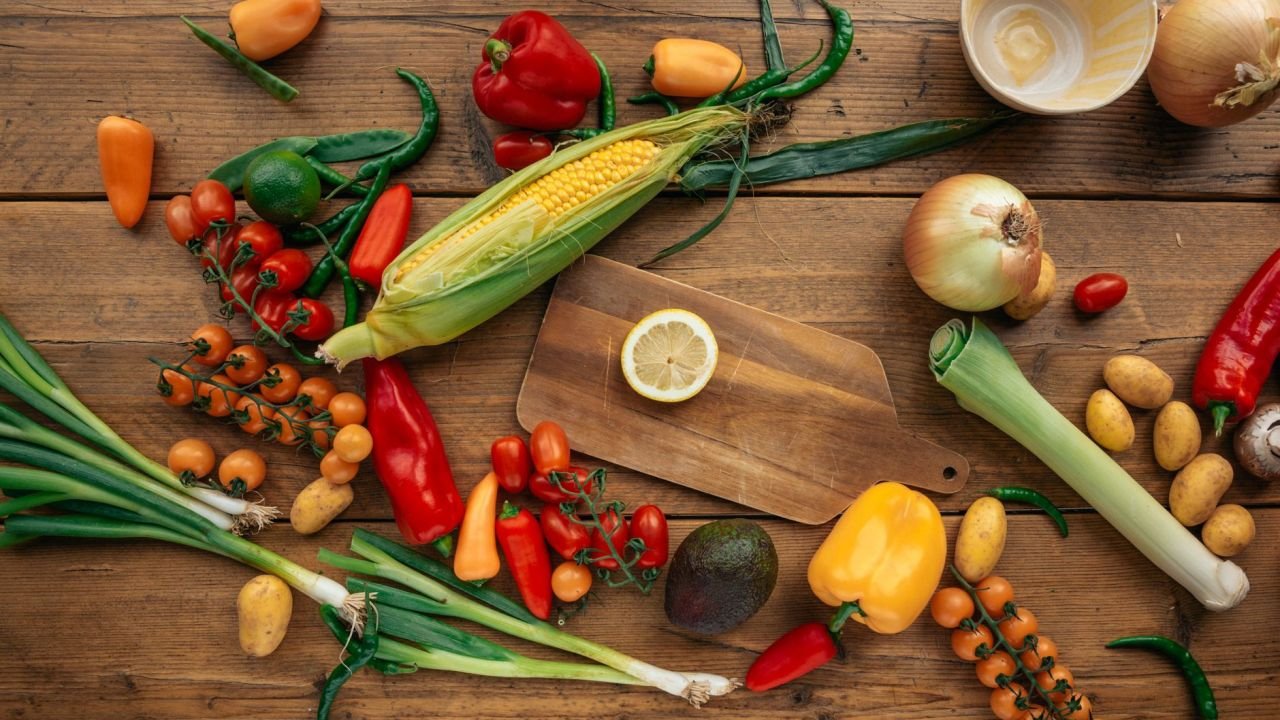
Photo: Viktoria Slowikowska / Pexels
In this article
Start with the sentence that most diet advice for this condition is missing.
Lipedema fat is largely resistant to dietary intervention. That is not a discouraging opinion — it is a consensus statement agreed by the international expert panel that met in Potsdam to define what the field actually knows, with over 93% agreement. Nobody has to take your word for it, and neither do you.
Which means: if you have dieted for years and your legs did not change, the diet was not the failure and neither were you. You were applying a correct treatment to the wrong problem.
So the question is not "which diet removes this". None does. The question is what eating can genuinely do here, and the answer turns out to be a lot more than nothing.
What food can actually change
Four real targets
- Pain. Reported improvement is the most consistent finding in the small studies that exist.
- Swelling and the fluid component. Sodium, carbohydrate load and hydration all move this.
- Inflammation. Lipedema tissue shows an inflammatory profile, and some of that is diet-responsive.
- The non-lipedema weight. Weight above the lipedema does respond normally, and carrying less of it takes load off painful joints.
What it does not change is the lipedema tissue itself. Any programme that promises otherwise — and they are sold hard in this space — is promising something the evidence does not support.
Ketogenic and low-carbohydrate eating
This is the approach with the most attention behind it, and it earned it, but the evidence needs stating accurately.
The German S2k guideline states that a ketogenic diet may be recommended for lipedema, with 94.7% consensus. That "may" is doing real work: it is a permissive recommendation based on small studies with encouraging results, not a strong one based on large trials. The studies that exist report reduced pain, reduced limb volume in some participants, and improved quality of life — over weeks to months, in small numbers of women.
What it seems to do: reduce pain, reduce the fluid component (partly through a well-known early diuresis when glycogen stores drop), and reduce inflammation.
What it does not do: selectively remove lipedema fat.
What to be careful about: a very restrictive diet in a woman with a long history of dieting and body-image distress is not a neutral intervention. If eating has been a battlefield, take that into account, and consider working with a dietitian rather than an internet protocol. Our fuller article on keto and inflammation.
Anti-inflammatory eating
Less dramatic, much easier to sustain, and it is what most women end up on long-term. In practice it means more vegetables, legumes, fish, olive oil, nuts and herbs; much less ultra-processed food, refined carbohydrate and added sugar; and a reasonable amount of protein.
The good news for readers here is that a Levantine and Egyptian kitchen is already most of the way there — molokhia, fresh salads, lentils, fish, olive oil, tahini and herbs are the base of an anti-inflammatory diet as it is usually described. How this looks with food people here actually cook.
Salt, water and the thing everyone gets backwards
High sodium worsens fluid retention, and reducing it often produces a noticeable difference in how heavy legs feel by evening. That part is straightforward.
The part people get wrong is water. Drinking less water does not reduce swelling — it tends to make fluid retention worse, because dehydration pushes the body to hold on to what it has. Salt, water and swelling, in more detail.
What about fasting?
Intermittent fasting is popular and it has reasonable general metabolic evidence, but there is very little specific to lipedema. If it suits you and you are eating well within your window, there is no particular reason to avoid it. If it triggers a restrict-then-binge pattern — and in a population with this much dieting history, that is common — it is doing harm that no metabolic benefit offsets.
The GLP-1 question
Semaglutide and tirzepatide come up in every lipedema group now, and the honest position is: they work on the weight that responds to weight loss, which is not the lipedema tissue. Women do report benefit, mostly from reduced load and reduced non-lipedema weight; women also report that their legs stayed exactly the same while the rest of them changed, which is the classic lipedema pattern and can be demoralising if nobody warned you. The full discussion.
Talk to a clinician before making a major dietary change — particularly if you take medication for diabetes, blood pressure or a thyroid condition, if you are pregnant or breastfeeding, if you have kidney or liver disease, or if you have a history of an eating disorder. Ketogenic eating in particular interacts with diabetes medication in ways that need managing rather than improvising.
What to do if you want somewhere to start
In this order, because the order matters:
- Stop measuring success on the bathroom scale. It is the wrong instrument for this condition and it will tell you that a good month was a bad one. Why, and use limb measurements and a pain score instead.
- Cut ultra-processed food and added sugar first. Highest return, lowest cost, no protocol required.
- Bring the sodium down and keep the water up.
- Give it eight weeks and judge it on pain, heaviness and limb measurements — not on weight.
- Only then consider something more structured like keto, and preferably with a dietitian.
The thing worth holding on to
You have probably been told your legs are a food problem for most of your adult life. They are not. Food is a lever on pain, on swelling and on inflammation — real levers, worth pulling — and it is not the lever that changes the tissue. Knowing which is which is what stops the next ten years looking like the last ten. Whether to pursue weight loss at all.
Questions people ask about this
What is the best diet for lipedema?
There is no diet that removes lipedema fat — the international expert consensus is explicit that this tissue is largely resistant to dietary intervention. What eating genuinely improves is pain, the fluid component, inflammation and the non-lipedema weight. In practice that means an anti-inflammatory pattern — vegetables, legumes, fish, olive oil, low sodium, very little ultra-processed food — with ketogenic eating as a more structured option that clinical guidelines say may be recommended, based on small but encouraging studies.
Why does dieting not shrink my legs?
Because lipedema fat does not behave like ordinary fat. It is largely resistant to dietary intervention — a formal consensus statement with over 93% agreement among the international expert panel. When you lose weight you lose it from the tissue that responds, which is your face, chest and waist, and the legs stay. That pattern is diagnostic of lipedema; it is not evidence that you did the diet wrong.
Does keto cure lipedema?
No. Nothing cures lipedema. What ketogenic eating has been shown to do in small studies is reduce pain, reduce the fluid component and improve quality of life, which is why clinical guidelines say it may be recommended. It does not selectively remove the lipedema tissue, and any programme that promises that is promising more than the evidence supports.
Should I cut salt if I have lipedema?
Reducing sodium usually helps with how heavy legs feel by the evening, because it reduces fluid retention. Cutting water does the opposite of what people expect — dehydration makes the body hold fluid, so drinking less tends to make swelling worse rather than better.
Start where you are
You do not need a diagnosis, a plan, or a good week. You need somewhere to put the information so that in three months you can see what actually changed.
Create a free account