Anti-inflammatory eating, from our own kitchen
Most anti-inflammatory advice assumes a supermarket you do not shop in. The good news is that the traditional kitchen here is already most of the way there.
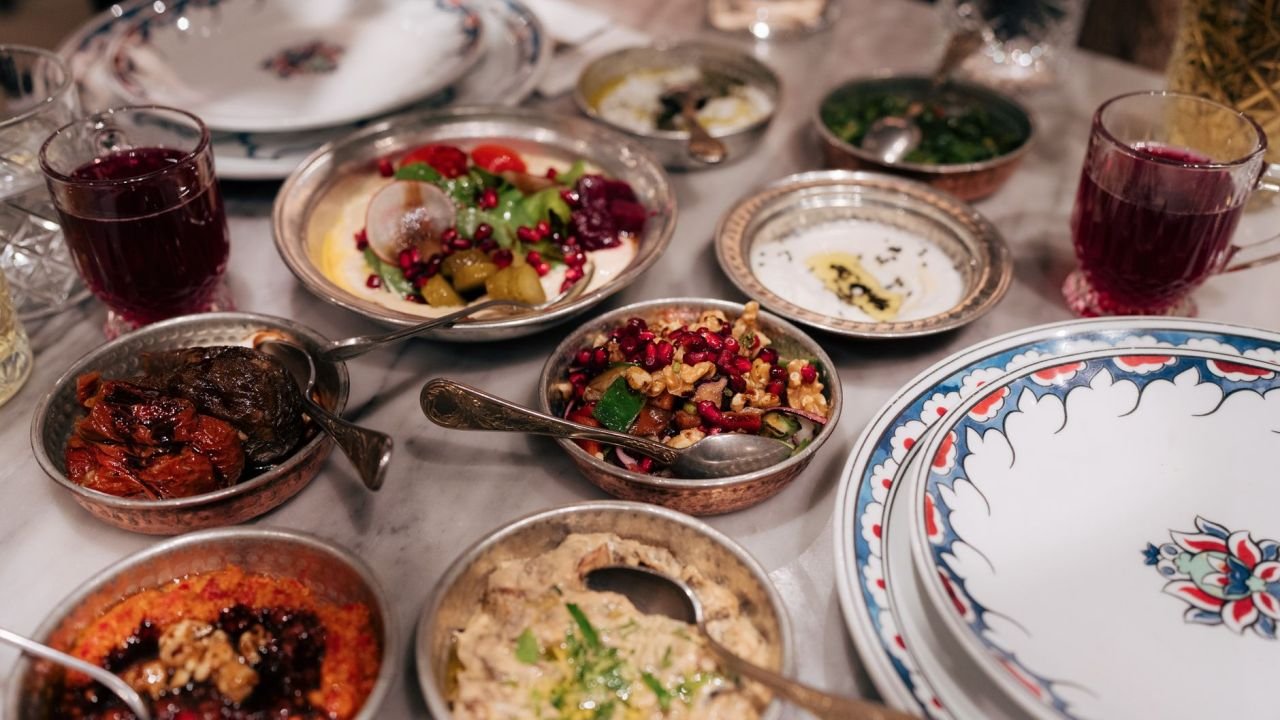
Photo: Sami Abdullah / Pexels
In this article
An anti-inflammatory diet for lipedema is usually presented in a vocabulary of kale, quinoa, blueberries and salmon — food that is expensive here, unfamiliar, and easy to abandon in week three. Which is a shame, because the traditional Egyptian and Levantine kitchen is already, structurally, an anti-inflammatory diet.
What follows is the same principles, in food people here actually cook.
What we are trying to do, and what we are not
To be clear at the outset: this will not shrink lipedema tissue. That tissue is largely resistant to dietary intervention, and any plan that promises otherwise is promising more than the evidence supports. What eating targets is pain, the inflammatory component, fluid retention and the non-lipedema weight — all four of which are worth targeting. The full evidence picture.
What we already have
Eat more of these — most are already in your kitchen
- Molokhia. Dark leafy green, high in fibre and micronutrients. Cook it with less ghee and it is one of the best things on this list.
- Lentils, fava beans, chickpeas. Foul, koshari lentils, hummus. Fibre and plant protein, and inexpensive.
- Olive oil. The single most-cited anti-inflammatory fat in the literature, and already the default here.
- Tahini. Sesame, healthy fats, no added sugar in the plain version.
- Fish. Sardines and mackerel are cheap, oily and higher in omega-3 than most of what gets recommended in English-language articles.
- Herbs and spices. Cumin, coriander, turmeric, garlic, ginger, parsley, mint — all with anti-inflammatory literature behind them, all already in the cupboard.
- Salads. Tomato, cucumber, parsley, lemon, olive oil. Tabbouleh and fattoush without the fried bread.
- Yoghurt and labneh, plain rather than sweetened.
- Nuts. Almonds, walnuts. A handful, not a bowl.
- Fruit — guava, dates in moderation, watermelon, citrus.
What to reduce
- Sugar, particularly in drinks. Sweetened tea multiple times a day is a large and invisible sugar load. This is the highest-return single change for most people.
- Refined flour. White baladi bread, pastries, biscuits. Not eliminated — reduced, and paired with protein and fat rather than eaten alone.
- Ultra-processed food. Packaged snacks, instant noodles, processed meats, most breakfast cereals.
- Deep-fried food. Reheated oil is genuinely inflammatory. Taameya once a week is fine; daily is not.
- Sodium. This one matters especially in lipedema, because it directly worsens fluid retention and evening heaviness. Stock cubes, instant soups, pickles, processed cheese and packaged bread are the main sources, and they add up faster than the salt shaker. Salt, water and swelling.
A realistic day
| Instead of | Try | |
|---|---|---|
| Breakfast | Baladi bread with jam, sweet tea | Foul with olive oil, cumin and lemon; boiled egg; tea without sugar |
| Lunch | Koshari with extra pasta and rice | Molokhia with chicken and a small portion of rice; large salad |
| Snack | Biscuits with tea | A handful of nuts, or labneh with cucumber |
| Dinner | Sandwiches, processed cheese | Grilled sardines or mackerel, tomato salad, tahini |
| Drinks | Three sweet teas, a soft drink | Water, unsweetened tea, hibiscus without sugar |
Note what this is not: it is not a list of forbidden foods and it is not a plan you fail. Koshari is not poison. The change that lasts is the one you can do at a family lunch without a separate plate.
Ramadan, Eid and the social calendar
Any dietary advice that ignores this is advice for somebody else's life.
Ramadan. Long fasting hours in heat, then a large evening meal, then late sugar. For lipedema specifically, the fluid picture matters: dehydration during the day worsens fluid retention, so drink well between iftar and suhoor. Break the fast with dates and water, then soup, then wait before the main meal. Keep the fried element to one item rather than four. If you have diabetes, kidney disease or take medication that needs timing, talk to your doctor before fasting.
Eid and family gatherings. A day is a day. The eleven months of ordinary days are what actually determine anything, and a woman who eats kahk on Eid has not undone anything. This matters more than it sounds, because the all-or-nothing pattern — a "bad" day becoming an abandoned month — is the single most common way these attempts end.
Talk to a doctor first if you have diabetes or take glucose-lowering medication, kidney disease, are pregnant or breastfeeding, or have a history of an eating disorder. And if food has been a source of guilt for years — very common in this condition — please add a professional before you add another restriction. Why that matters.
How to know whether it is working
Not the scale. Give it eight weeks and judge it on:
- Pain score, daily, out of ten.
- How heavy your legs feel at 6pm.
- Limb measurements at fixed points.
- Energy and sleep.
If those improve, it is working, whatever the scale says. And it will say something misleading.
And if you want to go further
Ketogenic eating is the more structured option, with clinical guideline support at the "may be recommended" level based on small studies showing reduced pain. It is considerably harder to sustain and it interacts with several medications, so it belongs in a conversation with a dietitian rather than a group chat. Our article on keto and inflammation.
Most women do better with the version above, done consistently, than with a stricter version done for six weeks.
Questions people ask about this
What does an anti-inflammatory diet for lipedema look like?
More vegetables, legumes, fish, olive oil, nuts and herbs; much less added sugar, refined flour, ultra-processed food and sodium. In an Egyptian or Gulf kitchen that means molokhia, foul, lentils, sardines, tahini, plain yoghurt and large salads — the traditional food here is already structurally an anti-inflammatory diet. It targets pain, inflammation, fluid retention and non-lipedema weight; it does not shrink lipedema tissue, and no eating pattern does.
What is the single biggest change I can make?
Sugar in drinks, for most people. Sweetened tea several times a day is a large and largely invisible sugar load, and cutting it costs nothing and requires no plan. Close behind it is sodium — stock cubes, instant soups, pickles, processed cheese and packaged bread — which matters especially in lipedema because it directly worsens fluid retention and evening heaviness.
Can I fast in Ramadan with lipedema?
Lipedema on its own is not a reason not to fast, but the fluid picture matters: dehydration during long hot days worsens fluid retention, so drink well between iftar and suhoor. Break the fast with dates and water, then soup, then wait before the main meal, and keep the fried element to one item. If you have diabetes, kidney disease, or take medication that needs timing, talk to your doctor before fasting.
Start where you are
You do not need a diagnosis, a plan, or a good week. You need somewhere to put the information so that in three months you can see what actually changed.
Create a free account