The part of lipedema nobody treats
It is not a soft topic bolted on to a medical library. Elevated depression and anxiety are in the clinical guidelines for this condition, and so is an instruction to clinicians about how to speak to you.

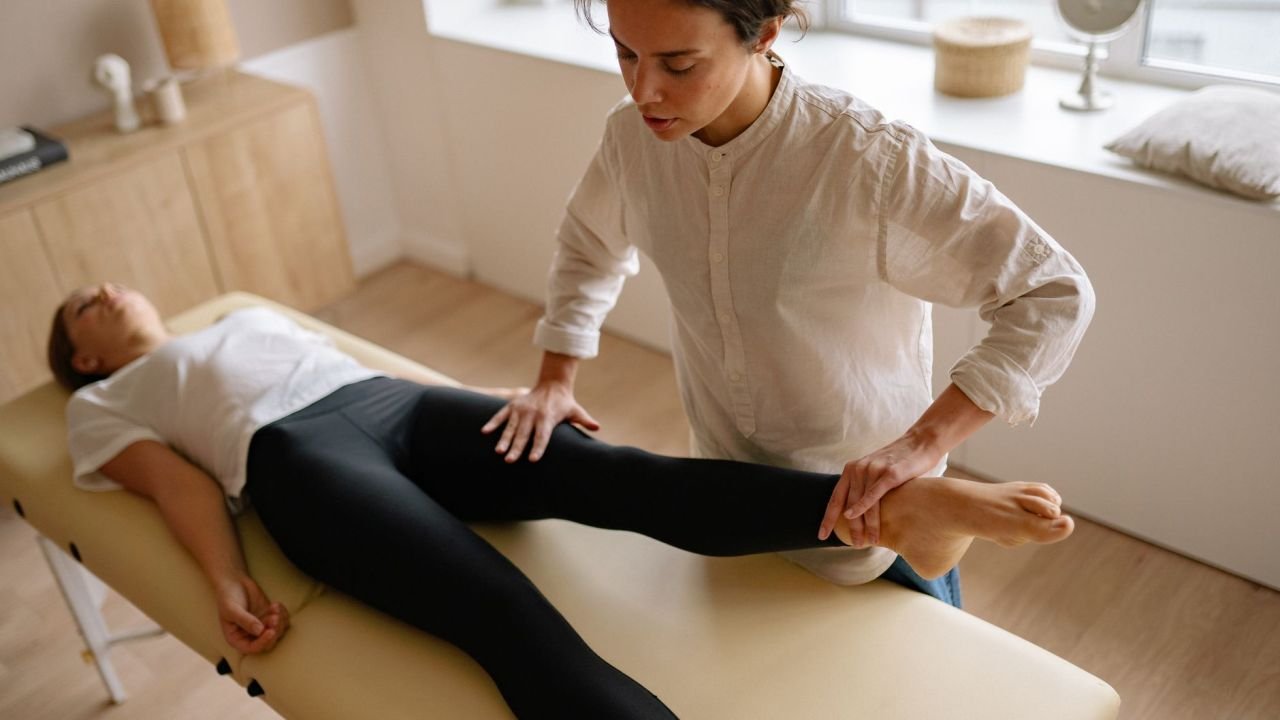
Photo: Engin Akyurt / Pexels
In this article
Lipedema and mental health are usually discussed as though the second were a side effect of the first — a bit of understandable low mood about how your legs look. That framing is wrong in a way that matters, and the clinical literature does not support it.
Depression and anxiety occur substantially above population rates in women with lipedema. That is not an app's observation; it is in the clinical guidance for the condition. And the reason is not primarily about appearance.
Why it lands this hard
Four things stacked on top of each other
- Years of being told it was your fault. The average woman reaches diagnosis after a very long time, and most of that time she was being given dietary advice for a condition that does not respond to it. The message underneath that advice, repeated for a decade or two, is that she is not trying hard enough.
- Effort that produced nothing. She did try. Repeatedly. It worked everywhere except the place that mattered, and there was no explanation available for why.
- Chronic pain. Independently and reliably associated with depression, in every condition. The pain is real and has a mechanism.
- Shrinking life. Not swimming. Not photographs. Not summer clothes. Declining the beach trip. Each individually small, and cumulatively a life with the edges trimmed off.
None of that is vanity, and describing it as vanity is one of the ways women with this condition get talked out of asking for help.
What the guideline actually says
This is worth knowing because you can quote it.
The German S2k guideline for lipedema recommends that self-management shall be promoted, that successes should be positively reinforced, and that confrontational behaviour shall be avoided.
That is a clinical guideline instructing clinicians not to speak to you the way many of them have. If you have spent years in appointments that ended in a lecture about discipline, that was not simply unpleasant — it was contrary to the guidance for the condition being discussed.
The diagnosis itself is a complicated day
Women expect relief and are then surprised by what arrives with it.
Relief, because there is a name, and because it was never a character problem.
Grief, for the years. For the twenties spent on diets, for the swimming you skipped, for the version of your life that would have existed if somebody had said the word earlier.
Anger, at every clinician who did not look it up.
Fear, because "progressive" is a frightening word to be handed on your way out of a room. It is more nuanced than it sounds.
All four at once is the normal reaction, not an excessive one.
What actually helps
Naming it correctly, out loud
"My legs are like this because of a chronic disorder of adipose tissue that does not respond to dieting" is a true sentence, and repeating it until it displaces twenty years of a different sentence does real work. This is not positive thinking; it is correcting a factual error you were taught about yourself.
Changing what you measure
The bathroom scale in this condition is a machine that delivers a verdict on your character based on fluid. Stop asking it. Measure limbs, and track pain, and let the numbers be about the condition rather than about you. Why the scale is the wrong instrument.
Doing something that helps, consistently
Compression and movement have a psychological effect beyond the physical one, because they replace helplessness with a thing you did today that is known to work. Water is particularly good on both counts. The movement programme.
Other women with the condition
The single most common thing women say after finding a lipedema community is that they had never spoken to anyone who understood without an explanation first. Groups vary in quality — some are excellent, some are a marketplace for clinics — but the effect of not being the only one is large.
Professional help, if it is heavy
Not as a last resort. Chronic illness with a long history of being disbelieved is a well-recognised reason to see someone, and it is not a lesser problem than the legs.
Please seek help promptly if you have thoughts of harming yourself, if you cannot function day to day, if you have stopped eating or eating has become disordered, or if you have withdrawn from people you care about. Those are not lipedema symptoms to be managed with compression — they need a doctor or a mental health professional now.
Eating, specifically
A woman who has been dieting since she was fourteen for a condition that does not respond to dieting is at real risk of a disordered relationship with food, and it frequently goes unrecognised because the dieting was medically endorsed the whole way.
If food is a source of guilt, if you eat in secret, if a "bad" meal ruins the day, if restriction is followed by loss of control — that is worth taking to a professional before adding any further dietary restriction on top of it. What eating can honestly do here.
What to say to yourself on the bad days
Two things, both of which are factually true rather than encouraging:
You did not do this. Lipedema is a chronic condition with a hereditary component and hormonal triggers. Thin women get it. Athletes get it. It is not a verdict on how you have lived.
What you do now still matters. Not because effort earns a smaller body, but because compression, movement and drainage genuinely change pain and genuinely change the trajectory — and those are worth having regardless of what the mirror does.
And if the years of blame left something behind, that is worth treating too. It is not a lesser problem than the legs, and it is not the part you are supposed to manage alone. Talking to the people around you.
Questions people ask about this
Why does lipedema affect mental health so much?
Depression and anxiety run substantially above population rates in lipedema, and the reason is not primarily about appearance. It is four things stacked: years of being told the legs were a discipline problem, repeated genuine effort that produced no result, chronic pain (independently linked to depression in every condition), and a life that gets quietly smaller — no swimming, no photographs, no summer clothes. The clinical guideline for lipedema explicitly instructs clinicians to reinforce successes and avoid confrontational behaviour, for exactly this reason.
Is it normal to feel grief after a lipedema diagnosis?
Yes, and it commonly arrives alongside relief rather than instead of it. Relief because there is finally a name and it was never a character problem; grief for the years spent on diets and the things you skipped; anger at the clinicians who did not look it up; and fear, because "progressive" is a frightening word to be handed on your way out of a room. All four at once is the normal reaction, not an excessive one.
When should I get professional help for this?
Seek help promptly if you have thoughts of harming yourself, cannot function day to day, have stopped eating or find eating has become disordered, or have withdrawn from people you care about. Beyond those, chronic illness with a long history of being disbelieved is a well-recognised reason to see someone — not as a last resort, and not as a lesser problem than the legs.
Start where you are
You do not need a diagnosis, a plan, or a good week. You need somewhere to put the information so that in three months you can see what actually changed.
Create a free account