Salt, water and why drinking less makes swelling worse
Half of this is intuitive and half of it is exactly backwards, which is why so many women are doing one of the two things that helps and one that does not.
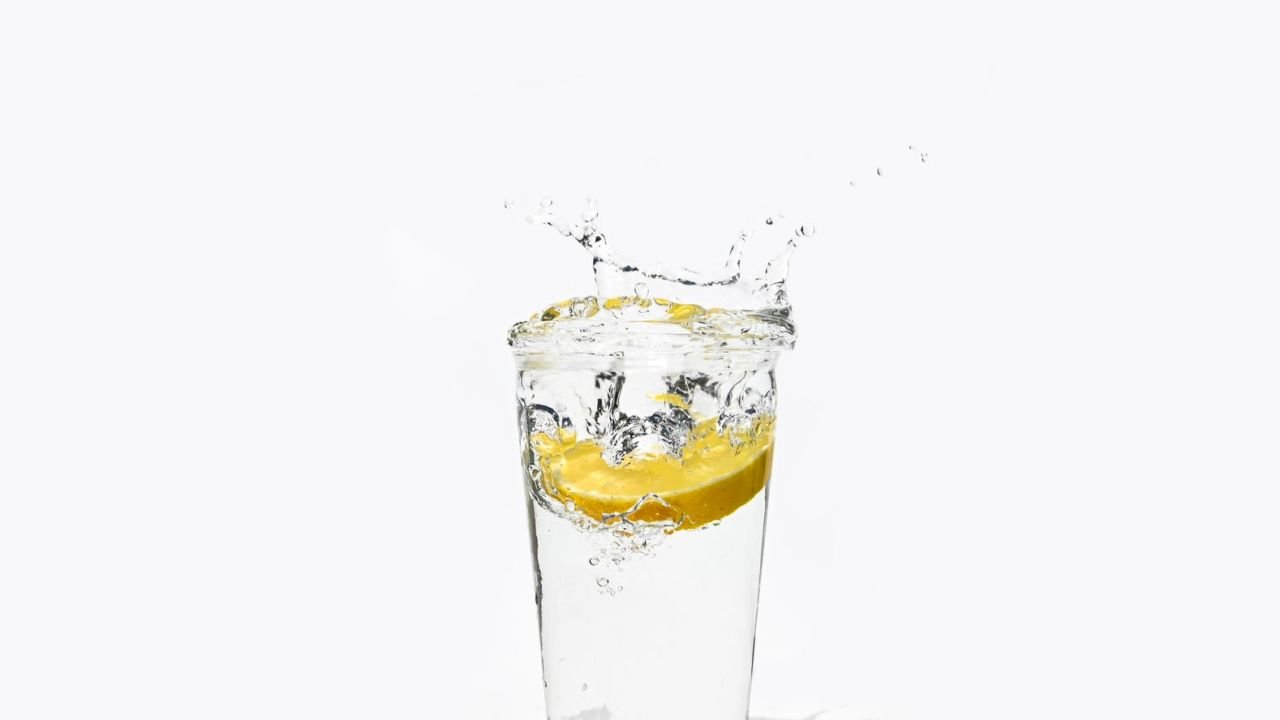
Photo: Adonyi Gábor / Pexels
In this article
Salt and water are the two levers most often reached for with leg swelling, and one of them is usually pulled in the wrong direction.
Reducing sodium helps. That part is correct and worth doing.
Reducing water does not help. It makes fluid retention worse, and it is one of the most common self-treatments in this condition.
Why drinking less backfires
The intuition is straightforward: less water in, less water sitting in my legs. The physiology does the opposite.
When fluid intake drops, the body registers the reduction and responds by conserving. Antidiuretic hormone rises, the kidneys retain sodium and water, and the net effect is that you hold on to more of what you have. Meanwhile the fluid that is in the tissue does not have an easier time leaving — lymphatic transport does not improve with dehydration.
In practice, women who deliberately restrict water for swelling frequently report that their legs feel heavier, not lighter, and that they are also more tired and more constipated, which is dehydration doing the rest of its work.
The two-sentence version
- Sodium down. Directly reduces fluid retention.
- Water up. Reassures the body it does not need to hoard.
Where the sodium actually is
Most people picture the salt shaker. In practice the shaker is a minority of intake, and the rest hides in things that do not taste especially salty.
| Source | Note |
|---|---|
| Stock cubes and seasoning mixes | Very high; a single cube can be a large share of a day's sodium |
| Packaged bread | Not salty-tasting, eaten in volume, adds up fast |
| Processed and spreadable cheese | Among the highest-sodium items in most kitchens |
| Pickles, olives, preserved lemons | Traditional and very high |
| Instant soups and noodles | Extremely high |
| Processed meats — luncheon meat, sausage, basterma | High |
| Restaurant and takeaway food | Consistently far higher than home cooking |
| Some effervescent painkillers and antacids | Often overlooked; check the label |
Practical substitutions that do not make food taste of nothing: lemon, garlic, cumin, coriander, black pepper, sumac, dill, parsley, chilli. Reducing sodium is about replacing the flavour, not removing it. More on eating for this condition.
How much water
Roughly 1.5 to 2 litres a day for most adults, more in heat or with activity — and considerably more relevant here, because a Cairo or Gulf summer changes the arithmetic. Pale yellow urine is a reasonable everyday indicator.
Two exceptions that matter. If you have heart failure or kidney disease, your fluid intake may be deliberately restricted by your doctor — follow that instruction rather than this article. And if you are on a diuretic, the whole picture changes; that is a conversation with whoever prescribed it. Diuretics are generally not recommended for lipedema, and being on one for leg swelling is worth asking about specifically. Why diuretics are the wrong tool here.
What else moves the fluid component
Sodium and water are two inputs among several, and the others are more powerful.
- Compression. The most effective thing available for the fluid component, and for the condition generally. The guide.
- Movement. The calf muscle pump is a major driver of return, and it only works when you use it. Twenty ankle flexes an hour while sitting is not nothing. The programme.
- Elevation. Legs above hip height for twenty minutes, twice a day.
- Heat management. Heat dilates vessels and worsens swelling; this is the single biggest environmental factor in this region. Managing it.
- Your cycle. Premenstrual fluid retention is real and it will confuse your measurements if you do not account for it. More on that.
A caution about how much this can do
Managing sodium and water affects the fluid component of lipedema — the part that changes through the day, worsens in heat, and is heavier before a period. It does not affect the tissue. If you cut sodium for a month and your thigh measurement barely moves, that is expected and it is not a failure: the tissue was never going to respond to that lever. What eating can and cannot do here.
What you should notice is that your legs feel less heavy by evening, and that is worth having on its own.
Questions people ask about this
Should I drink less water to reduce leg swelling?
No — this is the most common mistake with leg swelling. When fluid intake drops, the body responds by conserving: antidiuretic hormone rises, the kidneys retain sodium and water, and you hold on to more of what you have. Women who restrict water for swelling frequently report heavier legs, more fatigue and constipation. Aim for 1.5 to 2 litres a day, more in heat, and reduce sodium instead — that is the lever that actually works.
Where does most of the sodium in my diet come from?
Not the salt shaker — that is a minority of intake. The main sources are stock cubes and seasoning mixes, packaged bread, processed and spreadable cheese, pickles and olives, instant soups and noodles, processed meats, and restaurant food, which is consistently far higher in sodium than home cooking. Some effervescent painkillers and antacids are surprisingly high too. Replace the flavour with lemon, garlic, cumin, sumac and herbs rather than removing it.
How much difference will cutting salt actually make?
It affects the fluid component — the part that changes through the day, worsens in heat and is heavier before a period — so you should notice your legs feeling less heavy by evening. It does not affect the lipedema tissue itself, so if your thigh measurement barely moves after a month of low sodium, that is expected rather than a failure. Compression, movement and elevation move the fluid component considerably more than diet does.
Start where you are
You do not need a diagnosis, a plan, or a good week. You need somewhere to put the information so that in three months you can see what actually changed.
Create a free account