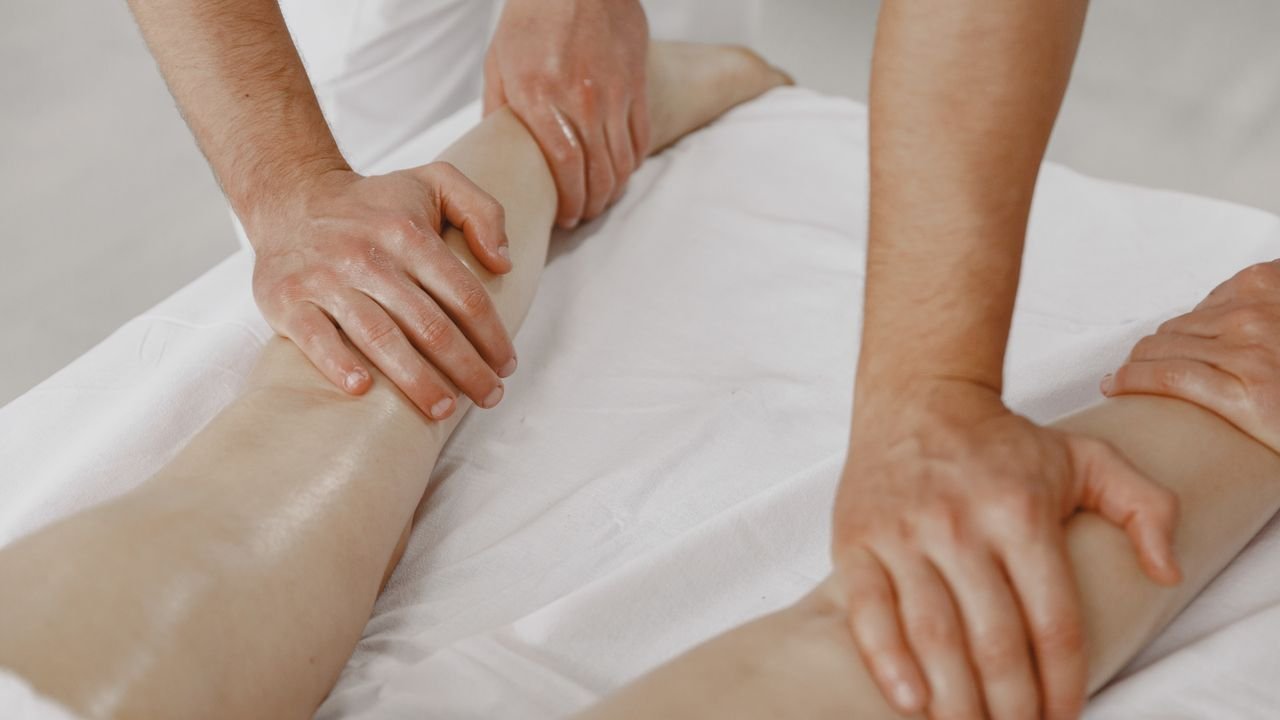
Are compression pumps worth it?
An expensive device with a genuine but limited role, sold with claims well beyond what it does. Here is the honest position.
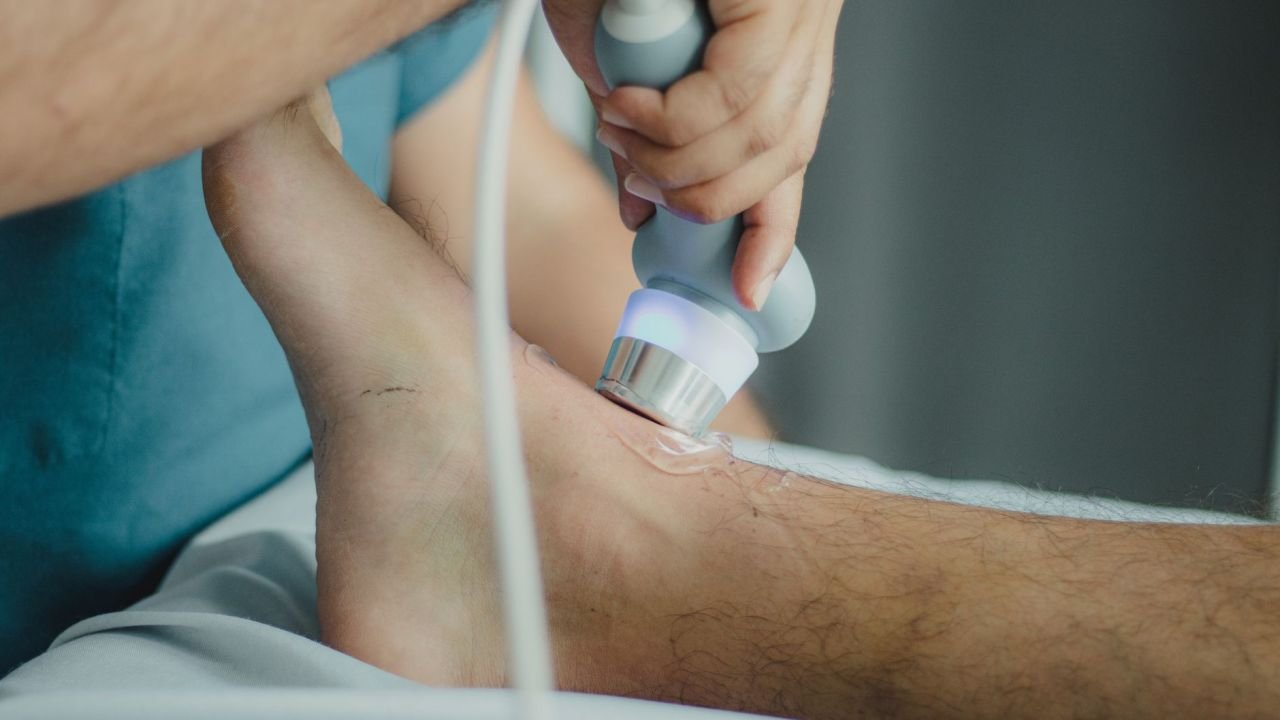
Photo: Juan Manuel Montejano Lopez / Pexels
In this article
Compression pumps for lipedema — intermittent pneumatic compression, IPC — are inflatable sleeves that wrap the limb and inflate in sequence from the foot upward, then deflate and repeat. They cost a meaningful amount of money and they are marketed with a confidence the evidence does not quite support, which makes "are they worth it" a fair question.
What they do
The sequential inflation encourages fluid to move proximally — toward the trunk — which is the same direction manual drainage works in. In lymphoedema, where there is a clear fluid component, IPC has a reasonable place as an adjunct within a broader programme, and it is used routinely in that condition.
In lipedema specifically the evidence is thinner, because lipedema is primarily a tissue problem rather than a fluid one. Where a woman has a significant fluid component — later stages, or lipo-lymphoedema — the rationale is much stronger. In uncomplicated early lipedema it is doing less.
Reasonable expectations
- Likely: legs feel lighter afterwards; some reduction in evening heaviness; a comfortable half-hour that is easier to be consistent with than self-massage.
- Possible: modest reduction in limb volume where there is a fluid component.
- Not: reduction in lipedema tissue. Nothing about the nodules or the disproportion changes.
- Not: a replacement for compression garments. The pump works for thirty minutes; the garment works all day.
Who is most likely to benefit
- Women with a clear fluid component — swelling that changes noticeably through the day.
- Lipo-lymphoedema, where the lymphatic system is involved. The combined picture.
- Anyone who cannot access professional manual lymphatic drainage regularly, which in this region is most people.
- Women who find self-drainage physically difficult — limited reach, shoulder problems, or simply not enough time in the day. The manual alternative.
- Post-surgical recovery, where a surgeon has specified it.
What to look for in a device
| Feature | Why it matters |
|---|---|
| Multiple chambers (8–12) | More chambers give a smoother sequential wave. Two- or three-chamber devices squeeze rather than sequence. |
| Adjustable pressure, low range available | You want to be able to go low. 30–60 mmHg is a typical working range; higher is not better. |
| Sleeve that includes the upper thigh and hip | A calf-only sleeve moves fluid into a region you have not cleared. |
| Correct sizing | A sleeve that is too small applies far higher pressure than the display says. |
| Timer and auto-off | Sessions are 30–45 minutes, not an evening. |
| Local service and warranty | An imported device with no local repair is a device with a short life. |
Do not use a pump without medical advice if you have heart failure — moving a large volume of fluid centrally can overload a failing heart; a known or suspected deep vein thrombosis; an active infection or cellulitis in the limb; an untreated malignancy in the area; severe peripheral arterial disease; or an open wound. And if a session hurts, or leaves marks, numbness or tingling, stop and get the pressure and fit checked.
How to use one properly
- Clear the neck and groin first. A few minutes of manual work on the terminus and the inguinal nodes before switching on — same principle as manual drainage, and skipping it is why some people find the pump does little. The clearing sequence.
- Start at a low pressure. Increase only if it is comfortable. Higher pressure is not more effective and can collapse the superficial lymphatics you are trying to help.
- Thirty to forty-five minutes, once daily.
- Compression garment on afterwards. Non-negotiable. Fluid moved and not held will return, and this is the most common way people waste the session.
- Evening usually works best, when legs are most congested.
Before you buy
Two questions, in this order.
Do you have properly fitted compression garments, and are you wearing them? If not, that is where the money goes first. Garments have the strongest evidence base in this condition; a pump does not compensate for their absence. Getting garments right.
Can you try before buying? Some suppliers and physiotherapy clinics rent, and some clinics have one you can use in a session. A month of trying tells you more than any review, and it is far cheaper than discovering the answer afterwards.
And be sceptical of anything sold as "lymphatic drainage machine" with claims about detoxification, fat loss or centimetre reduction. It is a fluid-moving device. That is a real and useful thing to be — it is just not what is on the poster. How to read claims like these.
The honest summary
A pump is a reasonable third or fourth purchase for this condition, after garments, after getting movement established, and after learning self-drainage. For a woman with a fluid component who cannot get professional drainage — which describes a great many people in Egypt and the Gulf — it is a genuinely useful thing to own. For someone hoping it will change the shape of her legs, it is an expensive disappointment waiting to happen. Where it sits among everything else.
Questions people ask about this
Are compression pumps worth buying for lipedema?
They are a reasonable third or fourth purchase — after properly fitted garments, after establishing regular movement, and after learning self-drainage. They move fluid, so they help most where there is a clear fluid component or lipo-lymphoedema, and they are genuinely useful for anyone who cannot access professional manual drainage regularly. They do not reduce lipedema tissue and they do not replace compression garments: the pump works for thirty minutes, the garment works all day.
What should I look for in a compression pump?
Multiple chambers — eight to twelve — so it produces a smooth sequential wave rather than a squeeze; adjustable pressure with a genuinely low range available, since 30–60 mmHg is a typical working range and higher is not better; a sleeve that covers the upper thigh and hip rather than the calf alone; correct sizing, because a sleeve that is too small delivers far more pressure than the display says; a timer; and local service and warranty.
When should I not use a compression pump?
Not without medical advice if you have heart failure — moving a large volume of fluid centrally can overload a failing heart — or a known or suspected deep vein thrombosis, an active infection or cellulitis in the limb, an untreated malignancy in the area, severe peripheral arterial disease, or an open wound. Stop and get the pressure and fit checked if a session hurts or leaves marks, numbness or tingling.
Start where you are
You do not need a diagnosis, a plan, or a good week. You need somewhere to put the information so that in three months you can see what actually changed.
Create a free account