How to actually get compression garments on
Nobody tells you this part. A correctly prescribed garment that lives in a drawer because you cannot get it on is doing nothing at all, and the fix is technique rather than willpower.
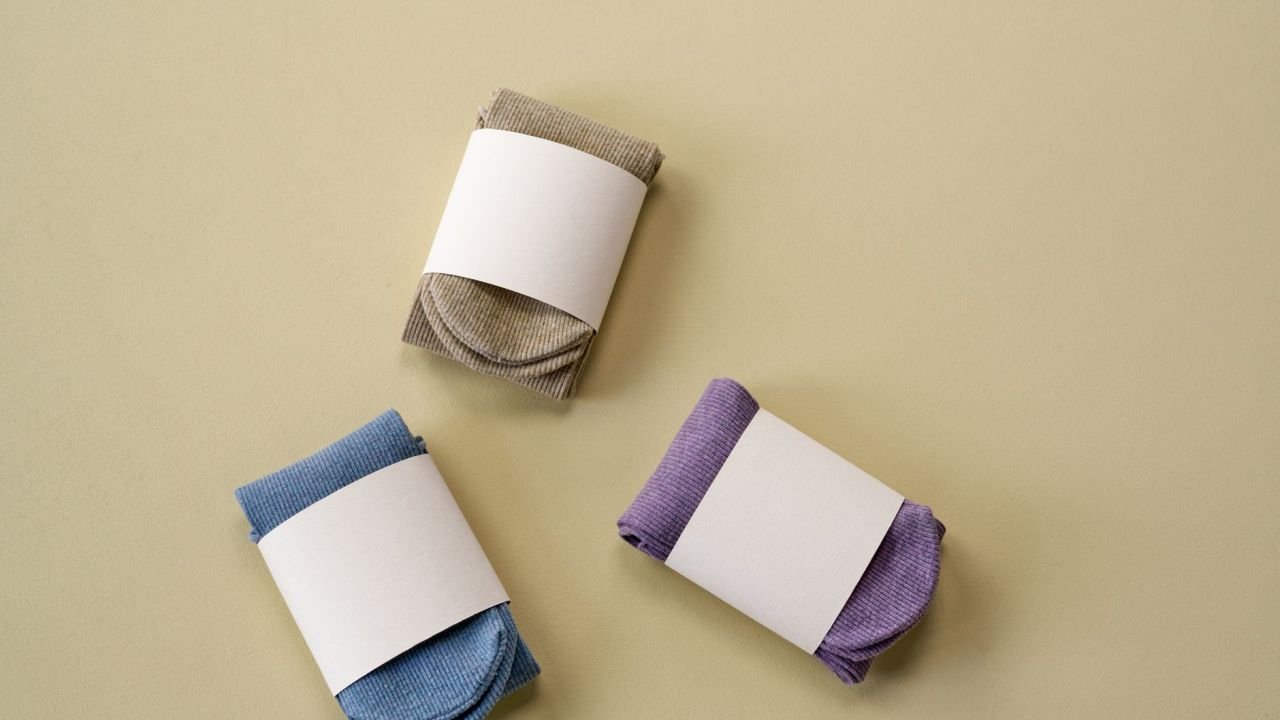
Photo: Ron Lach / Pexels
In this article
Flat-knit compression garments are stiff by design — that stiffness is what makes them work on lipedema tissue. It is also what makes them a genuine physical struggle to put on, particularly first thing in the morning, particularly on painful legs, and particularly if you cannot easily reach your feet.
This is the reason a large number of correctly prescribed garments end up unworn, and it is fixable.
The rules that make the biggest difference
Before you touch the garment
- Do it first thing, before you get out of bed. Limbs are at their smallest after lying flat all night. An hour of standing can be the difference between "difficult" and "impossible".
- Dry skin, completely. Even slightly damp skin grips the fabric. Towel-dry and wait.
- No moisturiser first. Moisturise at night when the garment comes off, never before putting it on — it makes application harder and degrades the elastic.
- Rubber washing-up gloves. The single most useful thing on this page. They grip the fabric so you pull the garment rather than your skin, and they let you distribute the fabric evenly instead of dragging one bit.
- Sit somewhere stable with your foot supported. A chair with your foot on a low stool, not perched on the edge of a bed.
The technique for a stocking
- Turn it inside out down to the heel. Reach inside, grip the heel, and pull the leg of the garment back through itself so you have a short "sock" with the rest bunched at the ankle.
- Get the foot in first and seat the heel properly. The heel pocket must sit on your heel. Everything after this goes wrong if it does not.
- Roll, do not pull. Work the bunched fabric up the leg in small increments, using the flats of your gloved fingers, easing it round rather than yanking it up.
- Small sections, all the way round. Move 2–3 cm at a time, going around the limb each time, rather than pulling one side up and then the other.
- Smooth as you go. Wrinkles are not cosmetic — a fold creates a band of much higher pressure that can dig in and mark the skin.
- Check the top. It should sit flat with no roll-over. A rolled band is a tourniquet, and it is the most common cause of a garment "cutting in".
Tools worth having
- Rubber gloves — cheap, transformative, buy several pairs.
- A silk or nylon slip sock. A thin, very slippery footlet you put on first; the garment slides over it and then you pull it out through the open toe. Makes an enormous difference with open-toe flat-knit.
- A donning frame or "butler". A metal frame you stretch the garment over and then step into. Genuinely helpful if reaching your feet is difficult, and worth asking your supplier about.
- A donning slide for arm sleeves, which are their own particular problem.
Ask whoever fits your garments about all of these. Suppliers stock them and frequently do not mention them unless asked.
What is going wrong if it is still a fight
| Symptom | Likely cause |
|---|---|
| It will not go past the calf | Legs have already swollen — try earlier; or the garment is wrong at that measurement point |
| It rolls down at the top | Wrong length, wrong top-band type, or it needs a silicone band / suspender attachment |
| It cuts in behind the knee | Length is wrong, or it is bunching there — check for a fold |
| Toes go numb or white | Take it off. Too tight, or a fold is acting as a tourniquet. Get it re-checked. |
| It slides down through the day | Garment has lost its elasticity — most need replacing every 4–6 months |
| Skin marks and welts | Wrinkles, wrong size, or a top band rolling over |
Take the garment off and get it checked if your toes change colour or go numb, if the skin breaks, if pain increases rather than decreases while wearing it, or if you have new numbness or tingling. Compression should feel firm and supportive. It should not feel like a tourniquet, and pushing through those signs is not perseverance.
Taking them off
Easier, but people still do it in a way that damages the fabric. Peel from the top, turning the garment inside out as you go, rather than pulling from the toe. Never use scissors near them, and be careful with rings and long nails — a snag in flat-knit fabric spreads.
Making it sustainable
Two garments minimum, so one can be washing while the other is on. Hand wash or a delicates cycle in a laundry bag, mild detergent, no fabric softener, no bleach, dry flat and away from direct heat. In this climate you will be washing daily, and sweat degrades elastic faster than anything else. More on wearing them in the heat.
And keep this in proportion: the reason to solve the donning problem is that compression is the best-supported conservative treatment there is, and movement in compression carries the guideline's strongest grade for pain relief. Twenty minutes of technique in the morning is buying a genuinely different day. Getting the right garment in the first place.
Questions people ask about this
How do you put on flat-knit compression stockings?
Do it first thing before getting out of bed, on completely dry skin with no moisturiser, wearing rubber washing-up gloves. Turn the garment inside out down to the heel, get the foot in and seat the heel pocket properly, then roll the bunched fabric up in 2–3 cm sections, going all the way round the limb each time and smoothing as you go. Finish by checking the top band lies flat with no roll-over — a rolled band acts as a tourniquet.
What tools make compression garments easier to put on?
Rubber washing-up gloves are the single most useful and cost almost nothing. A silk or nylon slip sock lets an open-toe garment glide on and is then pulled out through the toe. A donning frame — a metal stand you stretch the garment over and step into — is genuinely worth asking your supplier about if reaching your feet is difficult. Suppliers stock all of these and usually do not mention them unless asked.
Why do my compression stockings keep rolling down?
Usually one of three things: the length is wrong, the top band type is not right for your leg shape, or the garment has lost its elasticity — most need replacing every four to six months, and sweat in a hot climate wears them out faster. A rolled band is not a minor annoyance; it concentrates pressure into a narrow ring, so get it re-measured rather than living with it.
Start where you are
You do not need a diagnosis, a plan, or a good week. You need somewhere to put the information so that in three months you can see what actually changed.
Create a free account