Lipedema and pregnancy: what to expect and what to arrange
Pregnancy is one of the three points at which this condition typically starts or jumps. That is worth planning around rather than worrying about.
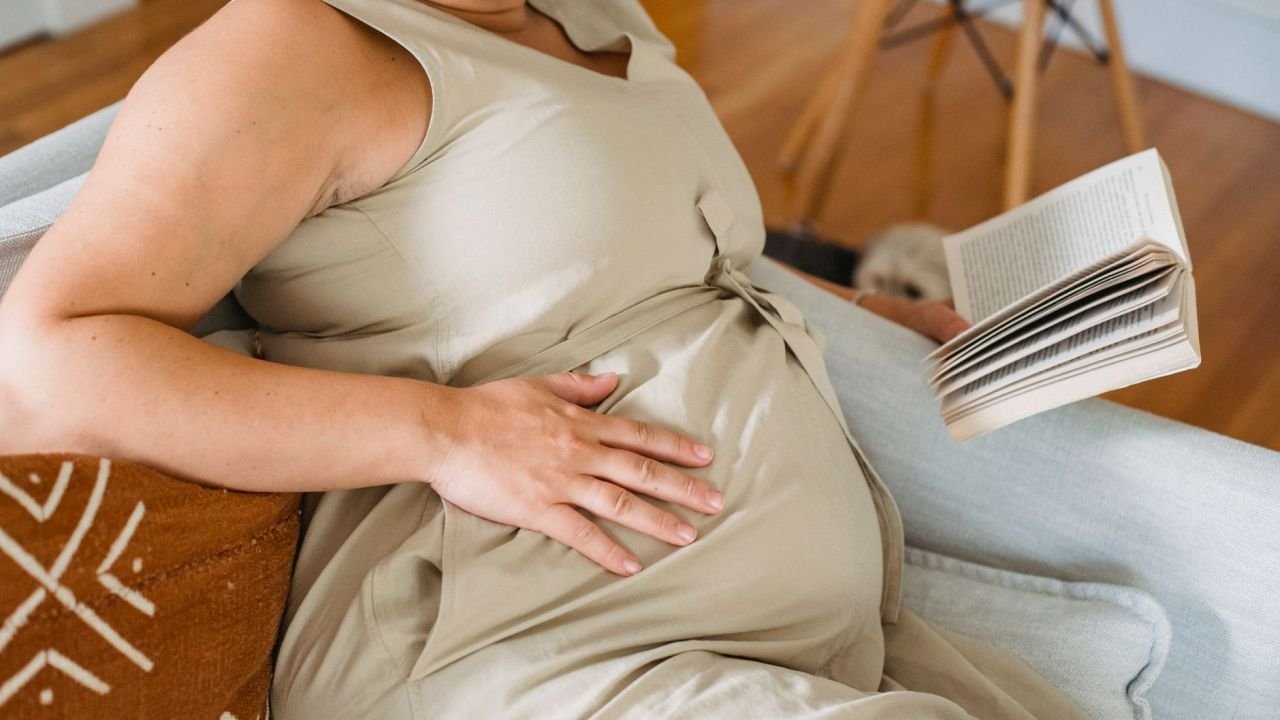
Photo: Amina Filkins / Pexels
In this article
Lipedema and pregnancy come up constantly and get answered badly, usually in one of two unhelpful directions: either "it will be fine, do not worry about it" or something alarming with no practical content. The useful version sits between them.
Lipedema is not a contraindication to pregnancy. Women with lipedema have healthy pregnancies routinely, and there is no evidence it affects fertility or harms the baby.
Pregnancy is a known trigger and accelerator. Along with puberty and menopause, it is one of the three hormonal windows at which lipedema typically starts or worsens. Some women date the onset to a pregnancy; many date a clear worsening to one; and plenty go through pregnancy with no change at all.
Neither of those facts cancels the other, and the correct response to the second is preparation rather than avoidance. Why hormonal windows matter.
What to arrange before or early in pregnancy
The checklist
- Tell your obstetrician you have lipedema, in the first appointment. Many will not know the condition; say what it is in one sentence and note that you wear compression.
- Get re-measured for compression. Sizing changes through pregnancy and maternity-appropriate garments exist. Plan on being re-measured at least once mid-pregnancy.
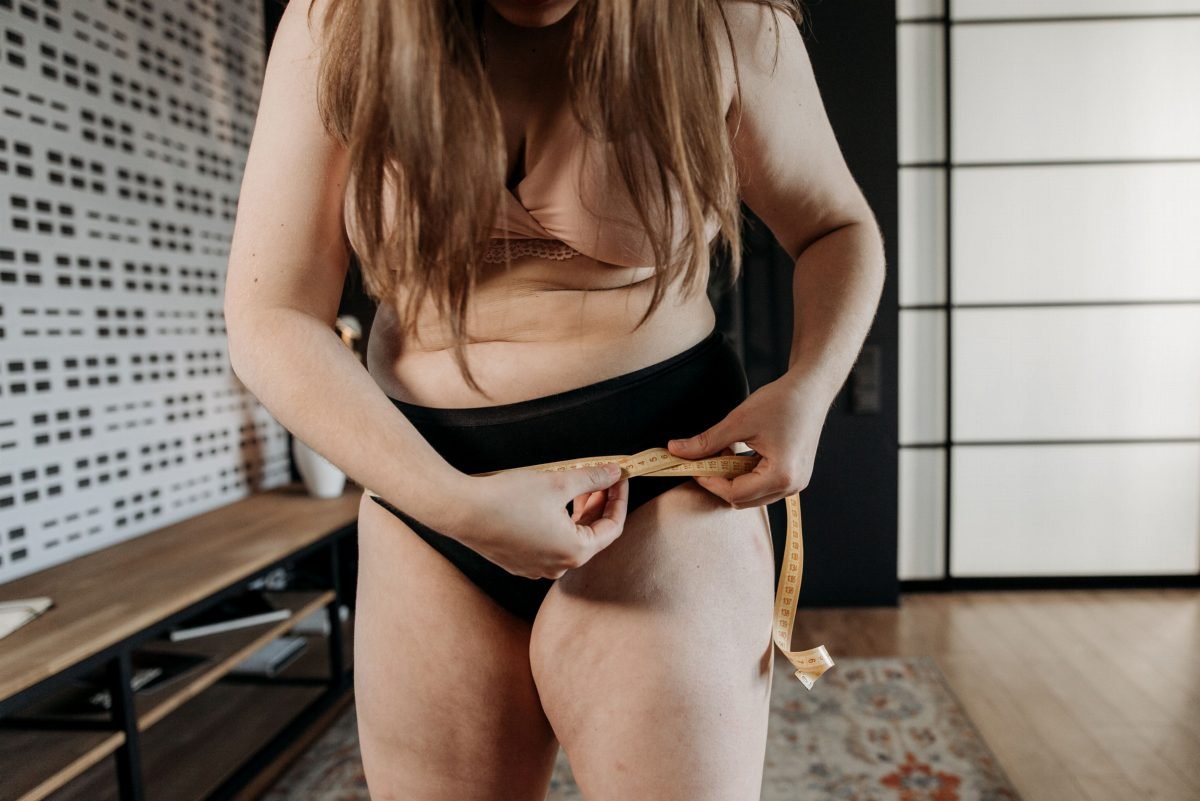
- Establish a baseline. Limb measurements at fixed points before or very early on, so that "did it change" is answerable afterwards with data rather than impression.
- Sort out swimming access. It is the single best activity in pregnancy for this condition — hydrostatic compression plus unloaded joints plus no impact.
- Ask about a physiotherapist or lymphoedema therapist familiar with pregnancy, if drainage is part of your routine.
What is normal and what is not
Swelling in pregnancy is common in everyone, which makes it harder to read if you also have lipedema.
Usually normal: gradual swelling of feet and ankles, worse by evening, better after resting with legs up, worse in heat, and mostly in the third trimester.
Get urgent medical assessment for: sudden swelling of the face, hands or feet; swelling with headache, visual disturbance or upper abdominal pain (possible pre-eclampsia); swelling in one leg with calf pain, warmth or redness (possible clot — pregnancy raises this risk); chest pain or shortness of breath; or reduced fetal movements. None of these is a lipedema question and none of them waits.
This matters especially in this group, because a woman used to attributing all leg symptoms to lipedema may under-react to exactly the presentation that needs same-day attention.
Compression during pregnancy
Continue it — it helps with the fluid load pregnancy adds, and it also reduces the risk of pregnancy-related venous problems.
- Get re-measured rather than persevering with a garment that no longer fits. A too-tight garment is not a more effective one.
- Maternity versions with an abdominal panel exist and are more comfortable in later pregnancy.
- Put them on before getting out of bed — this matters even more in pregnancy, when reaching your feet becomes genuinely difficult. A donning frame is worth having by the third trimester. Technique and tools.
- Discuss compression class with your obstetrician and your fitter, particularly if you are advised to change it.
Movement
Swimming, walking, prenatal yoga, ankle pumps when sitting. All standard pregnancy advice, and all doubly relevant here. Water is particularly valuable in the third trimester and in a hot summer. The programme, adapted.
After the birth
Two things are worth expecting rather than being surprised by.
Postpartum fluid shifts are dramatic. Swelling can be worse in the first week or two after delivery than it was during pregnancy, and it then settles. Do not judge your legs in that window.
The real assessment is at three to six months. By then the fluid has resolved and you can compare limb measurements against your baseline. That is when you find out whether the lipedema changed, and it is why the baseline was worth taking.
Practical points: keep compression going postpartum, because immobility plus fluid plus recovery raises clot risk; be careful with a caesarean scar under a garment top band; and if you are breastfeeding, check any supplement or medication before restarting it.
"Will it get worse if I have another baby?"
Possibly, and nobody can tell you in advance. What is known: hormonal events are the main progression trigger, and a previous worsening during pregnancy is the most useful predictor you have — though not a guarantee in either direction.
What is also true is that this is one factor among many in a decision about a family, and it belongs in proportion. Women with lipedema have second and third children and manage them. If you are weighing it, the useful preparation is the same as above: baseline measurements, compression sorted early, swimming arranged, and an obstetrician who has been told. What influences progression generally.
One thing to leave with
If your lipedema worsened after a pregnancy, you did not cause it. Pregnancy is a hormonal event acting on an inherited susceptibility, and there was no version of it you could have done more carefully. That is worth saying because a surprising number of women carry exactly that guilt, quietly, for years. More on the psychological side.
Questions people ask about this
Does pregnancy make lipedema worse?
It can — pregnancy is one of the three hormonal windows, along with puberty and menopause, at which lipedema typically starts or jumps. Some women date the onset to a pregnancy, many date a clear worsening to one, and plenty go through it with no change at all. It is not a contraindication to pregnancy and there is no evidence it affects fertility or harms the baby. The useful response is preparation: baseline measurements, compression re-measured, and swimming arranged.
Is leg swelling in pregnancy normal if I have lipedema?
Gradual swelling of feet and ankles that is worse by evening, better after resting with legs up and mostly in the third trimester is common in any pregnancy. Get urgent assessment for sudden swelling of the face, hands or feet; swelling with headache, visual disturbance or upper abdominal pain; one-sided calf pain with warmth or redness; chest pain or breathlessness; or reduced fetal movements. Women used to attributing everything to lipedema can under-react to exactly the presentation that needs same-day attention.
When can I tell whether pregnancy changed my lipedema?
At three to six months postpartum, not before. Fluid shifts after delivery are dramatic — swelling can be worse in the first week or two than it was during pregnancy — and it then settles. Judging your legs in that window will mislead you. Compare limb measurements against the baseline you took before or early in pregnancy, which is exactly why taking that baseline was worth the trouble.
Start where you are
You do not need a diagnosis, a plan, or a good week. You need somewhere to put the information so that in three months you can see what actually changed.
Create a free account