Flying and long journeys with lipedema
Four hours of immobility in a low-pressure cabin is a bad combination for any legs, and a worse one for these. Most of the fix happens before you board.
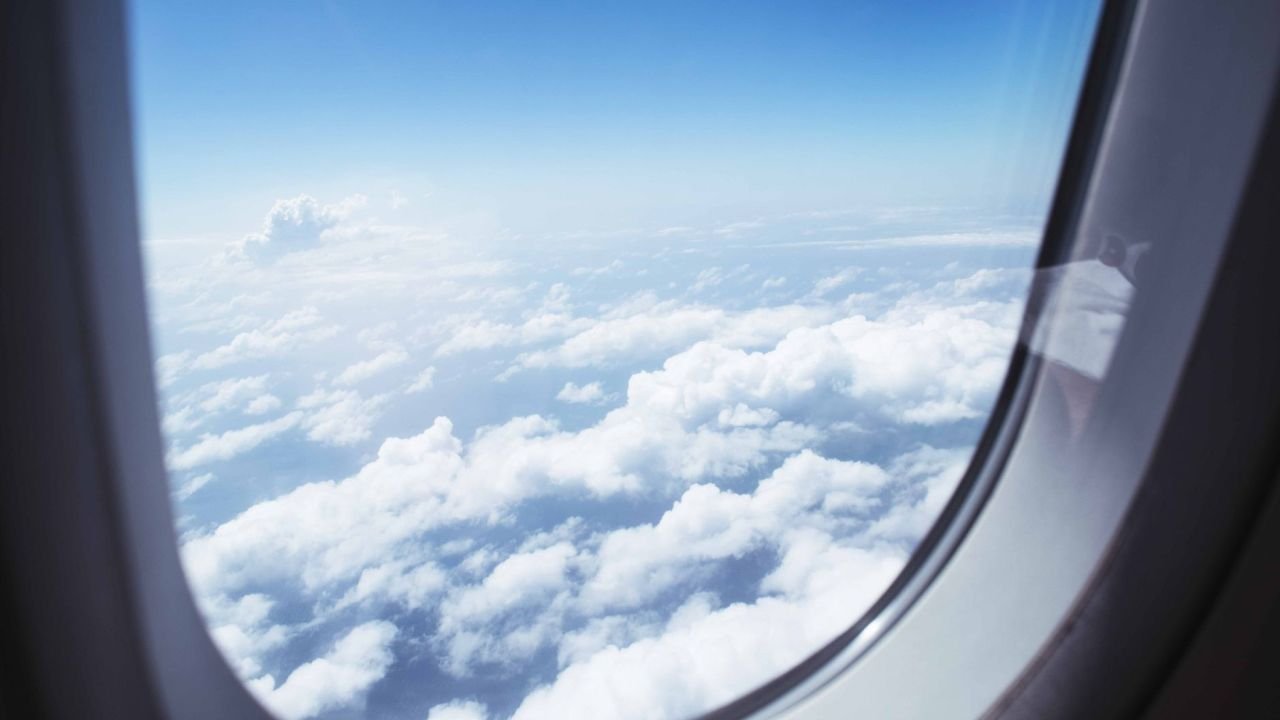
Photo: Shane Kell / Pexels
In this article
Flying with lipedema is worse than flying without it for reasons that are entirely mechanical, and understanding them is what makes the advice make sense.
Three things are happening at once on a plane. You are immobile, so the calf muscle pump — a major driver of venous and lymphatic return — is switched off. You are seated with hips and knees flexed, which compresses the vessels at the groin and behind the knee. And the cabin is pressurised to the equivalent of roughly 2,000 metres of altitude, which alone causes some fluid shift into the tissues.
For legs that already have impaired fluid handling, that combination reliably produces the swollen, tight, aching arrival that most women with this condition can describe from memory.
Before you fly
The checklist
- Wear compression, and put it on before leaving home — not at the airport, and not after boarding. Legs are smallest early and the garment needs to be on before the swelling starts.
- Wear your usual garment, not a flight sock. Flight socks are designed for people without a lymphatic problem; if you already have prescribed compression, that is what you wear.
- Hydrate the day before, not just on the day.
- Low-sodium meals the day before. Airport and airline food is very high in sodium and you will get plenty of it in transit. Where the sodium hides.
- Aisle seat. Worth paying for. It is the difference between getting up five times and getting up once.
- Loose clothing, wide shoes. Feet swell; a shoe that fits at departure will not at arrival.
- Talk to your doctor before a long flight if you have had a clot, are on hormonal contraception, are pregnant, or have had recent surgery. Some people need specific prophylaxis, and that is a medical decision.
During the flight
- Ankle pumps, every hour. Twenty flexes and points at your seat. This is the single most effective thing you can do in the air, because it directly restarts the calf pump.
- Walk the aisle every one to two hours, even for a minute.
- Water throughout. Ask for a full bottle at boarding rather than relying on the service.
- Skip the alcohol, which dehydrates and adds nothing here.
- Do not cross your legs for long periods.
- Elevate what you can. A bag under your feet raises them slightly and helps more than it sounds.
- Deep abdominal breathing. Five minutes, a couple of times. It raises lymphatic flow and it is the one drainage technique available in an economy seat. Why breathing is part of drainage.
Seek medical help — do not wait until you get home — if one calf becomes painful, warm, tight or swollen; you get chest pain or shortness of breath; or you feel faint. Long-haul travel raises the risk of deep vein thrombosis for everyone, and swollen legs, immobility and hormonal contraception each add to it. This is the one part of this article that is not about comfort.
After you land
- Walk as soon as you can.
- Keep the compression on for the rest of the day.
- Elevate for twenty minutes once you reach your accommodation.
- Self-drainage that evening if it is part of your routine.
- Expect a day or two of extra swelling and do not read anything into it. Post-travel swelling settles.
Long car and bus journeys
The same physiology and often less opportunity to move, which makes them worse than people assume. Stop every ninety minutes to two hours and walk for two or three minutes. Ankle pumps while a passenger. Compression on. And if you are driving in a Gulf summer, remember that heat is doing its own work on top of the immobility. Heat and compression.
Practical logistics
- Pack compression in your hand luggage. A lost suitcase is a bad time to be without your garments.
- Take a spare pair. Washing and drying flat is harder away from home, and a garment that has not dried is a garment you are not wearing.
- Bring a letter from your doctor if you are travelling with a pneumatic compression pump or a large supply of medication. Security screening is easier with a letter and a pump is not a familiar item to most screeners. More on pumps.
- Check your travel insurance covers a pre-existing condition if you might need care abroad.
- Look up whether there is a pool at your destination. Twenty minutes in water after a long journey is the best possible recovery, and in the Gulf it is usually available. Why water.
The trip worth taking anyway
Two things get lost when this condition is managed by avoidance. The first is Umrah and Hajj, which involve a great deal of standing and walking, in heat, often for consecutive days — and which are entirely doable with preparation: compression, planned rest, water, and pacing that starts before you are tired rather than after. The second is family travel, which is where the not-going tends to start.
The point of a preparation checklist is not to make travel a medical procedure. It is so that the answer to an invitation stops being no by default. The other half of that problem.
Questions people ask about this
Why do my legs swell so much on flights?
Three things at once: you are immobile so the calf muscle pump that drives venous and lymphatic return is switched off; sitting with hips and knees flexed compresses the vessels at the groin and behind the knee; and the cabin is pressurised to roughly 2,000 metres of altitude, which alone shifts fluid into the tissues. For legs that already handle fluid poorly, that combination reliably produces a swollen, tight arrival. Ankle pumps every hour are the single most effective countermeasure in the air.
Should I wear compression on a plane?
Yes, and put it on before leaving home rather than at the airport — legs are smallest early and the garment needs to be on before the swelling starts. Wear your usual prescribed garment rather than a flight sock; flight socks are designed for people without a lymphatic problem. Pack a spare pair in hand luggage, because a lost suitcase is a bad time to be without them.
Is there a clot risk with lipedema on long flights?
Long-haul travel raises deep vein thrombosis risk for everyone, and swollen legs, immobility and hormonal contraception each add to it. Seek medical help — do not wait until you get home — if one calf becomes painful, warm, tight or swollen, if you get chest pain or breathlessness, or if you feel faint. Talk to your doctor before a long flight if you have had a clot, are on hormonal contraception, are pregnant, or have had recent surgery: some people need specific prophylaxis.
Start where you are
You do not need a diagnosis, a plan, or a good week. You need somewhere to put the information so that in three months you can see what actually changed.
Create a free account